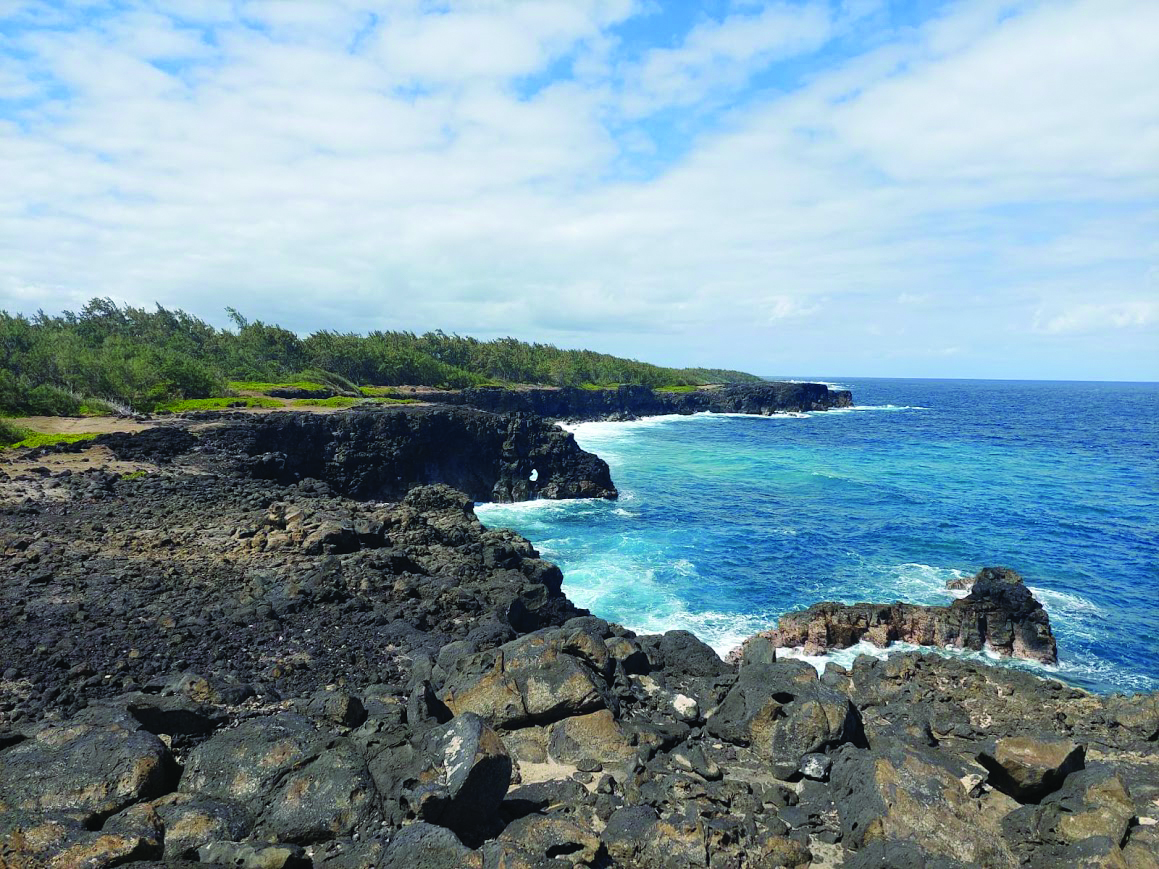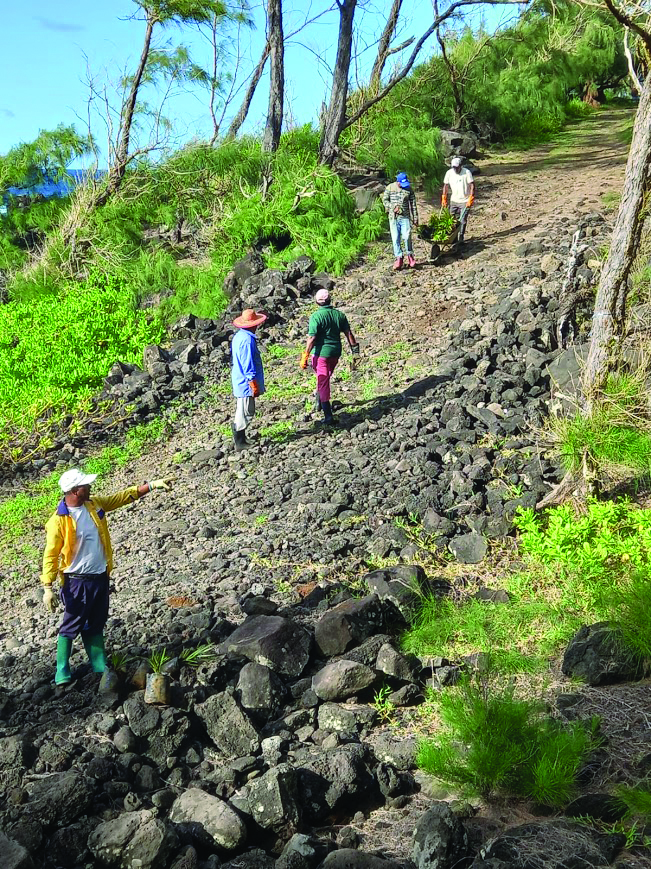
Nature-based solutions are ideal for combating coastal erosion, which is still possible on our coastline sud. mru2025 and a few local residents, both volunteers and employees, have just opened a nursery that will reintroduce biodiversity where it has disappeared… Dominique Bellier
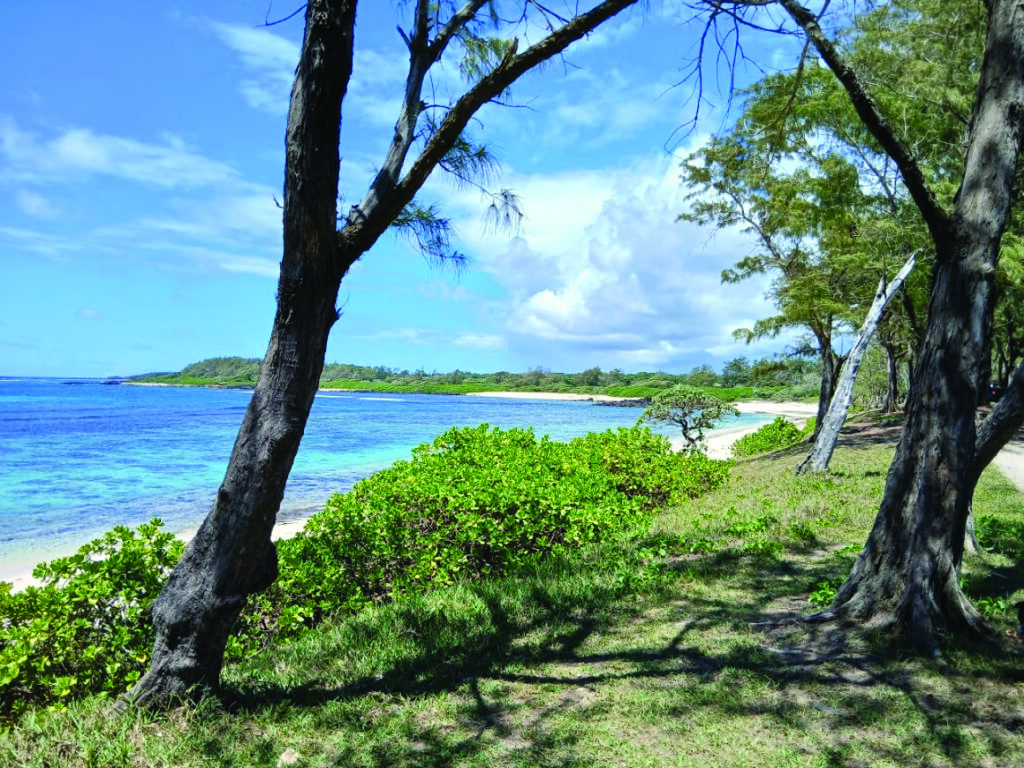
However verdant, the southerncoastline has also lost its biodiversity, damaged by the invasion of exotic plants such as filaos, which not only break the wind, but also facilitate erosion by invading and acidifying the soil, preventing other species from flourishing. mru2025activists dream of seeing these invasive plants replaced by endemic hardwoods adapted to the region’s steep coastline and powerful saline winds. They are working to re-establish plant biodiversity by strengthening the Virginia reserve, extended to 5 hectares in 2023, and extending this reforestation to the edges of the coastal path.
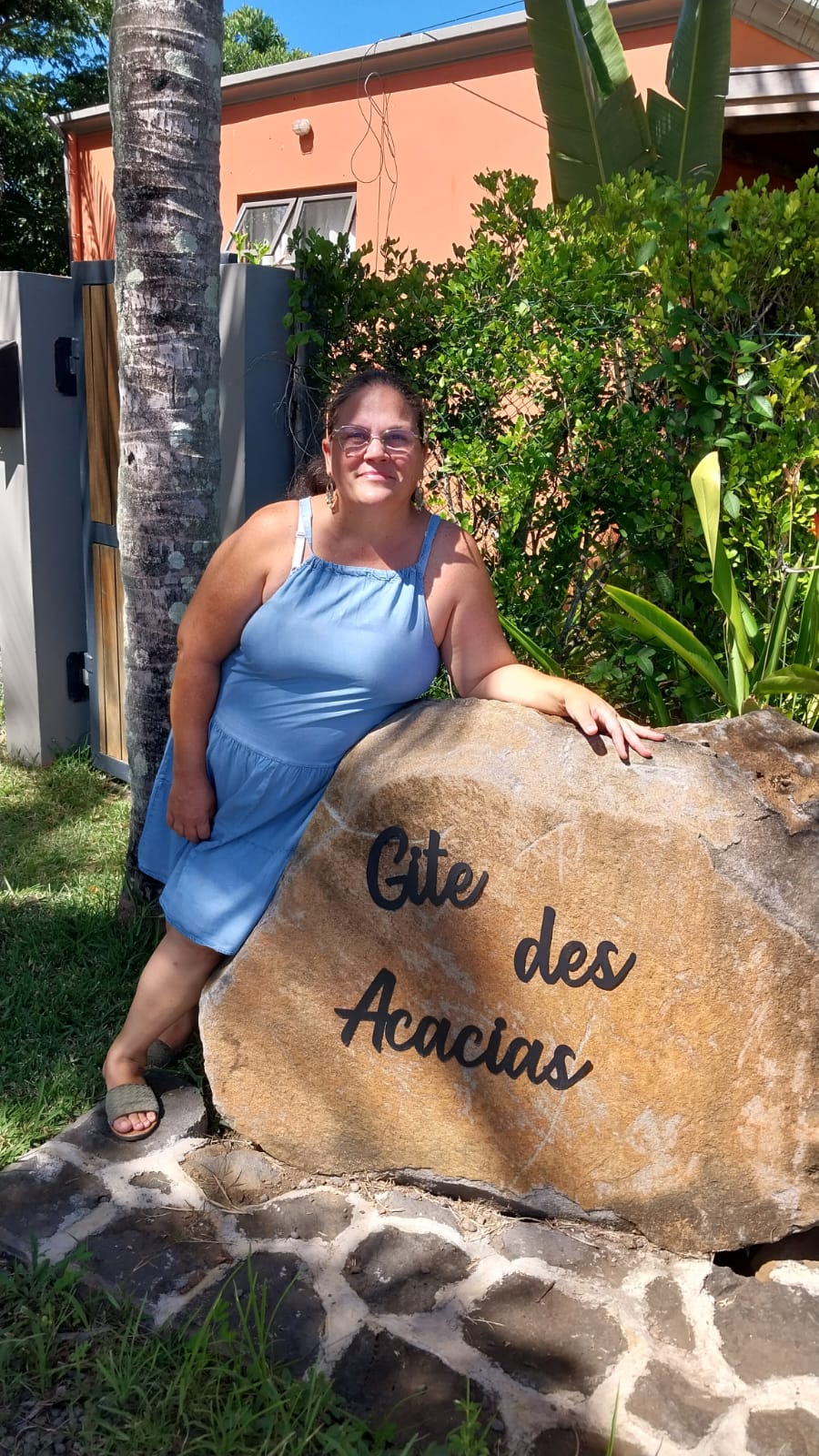
The matrix of this project is the nursery, which begins operations this month. Isabelle Sénèque is lending the land at Carreau Acacia, in Le Bouchon, next to her own garden, where she grows ancient plants. Employees paid by the National Social Inclusion Foundation (NSIF) will look after it on a part-time basis. Priority is given to four endemic species capable of providing windbreaks and retaining sand. The fast-growing Sainte-Marie, home to more fragile varieties, will be a welcome replacement for the filaos.
The other species are silver velvet, which is difficult to propagate without a little help, reinette wood and, of course, pandanus or vacoa, which has long frequented the cliffs of the south, offering its raw material to basket makers, who are suffering from its increasing scarcity. They are very concerned by this project, for which the idea of a controlled designation of origin for this vacoa from southern Mauritius has been proposed to the Forestry Services…