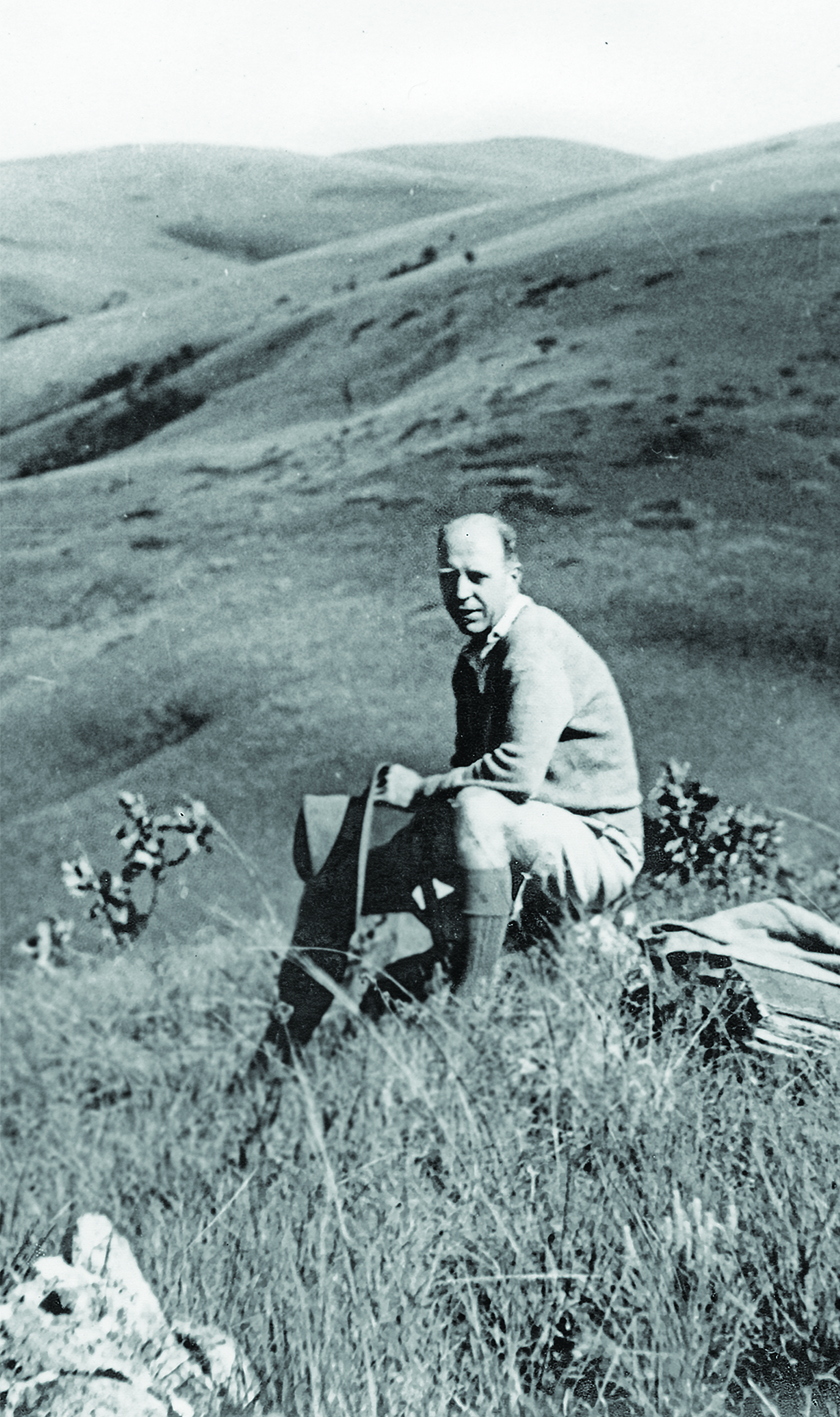
Thousands of students and researchers gather at the University of Mauritius, in the auditorium that has borne his name since 1981 and hosts prestigious events in the academic world. But what do they know about Octave Wieh? e ? This man contributed so much to the edification of his country that a complete biography was sorely lacking, until one of his sons, Mgr Denis Wieh eand Streak Designs get down to it. Dominique Bellier
Octave WieheUn Mauricien Visionnaire is both a beautiful, richly illustrated book and a mine of information on agronomic research, botany and the foundations of two fundamental institutions: the Mauritius Sugarcane Industry Research Institute (MSIRI) and the University of Mauritius. Through the life of this man, who left in 1975, we understand, for example, why the small island of Mauritius has played such an important role in international sugar research…
This scientist, botanist, bibliophile and collector laid the foundations for botanical and agronomic research, as practiced in Mauritius today. After creating and directing the MSIRI from 1953 to 1968, he built the University of Mauritius until 1973. Long before that, with his Welsh friend Reginald Vaughan, he paved the way for the establishment of a Flore des Mascareignes, by carrying out the first major studies of the indigenous Mauritian flora, published in international journals.
Shaken by wartime logging, this tandem initiated the creation of nature reserves by setting up theAncient Monuments and National Reserves Board in 1944. Octave Wiehe worked to develop food crops during the war. He also worked as a plant pathologist in Nyassaland (now Malawi) and Guyana.
This book brings together current and past writings on this character, such as the tribute paid to him by Guy Rouillard in 2003, or the texts by specialists Vincent Florens and Claudia Baider on his scientific contribution, and those by Jean Claude Autrey and Nawshad Joomun on his role in building MSIRI. Editor Olivier Lalouette worked on Labourdonnais’ family life and estate, and put together the iconography, making this book as enjoyable as it is informative.