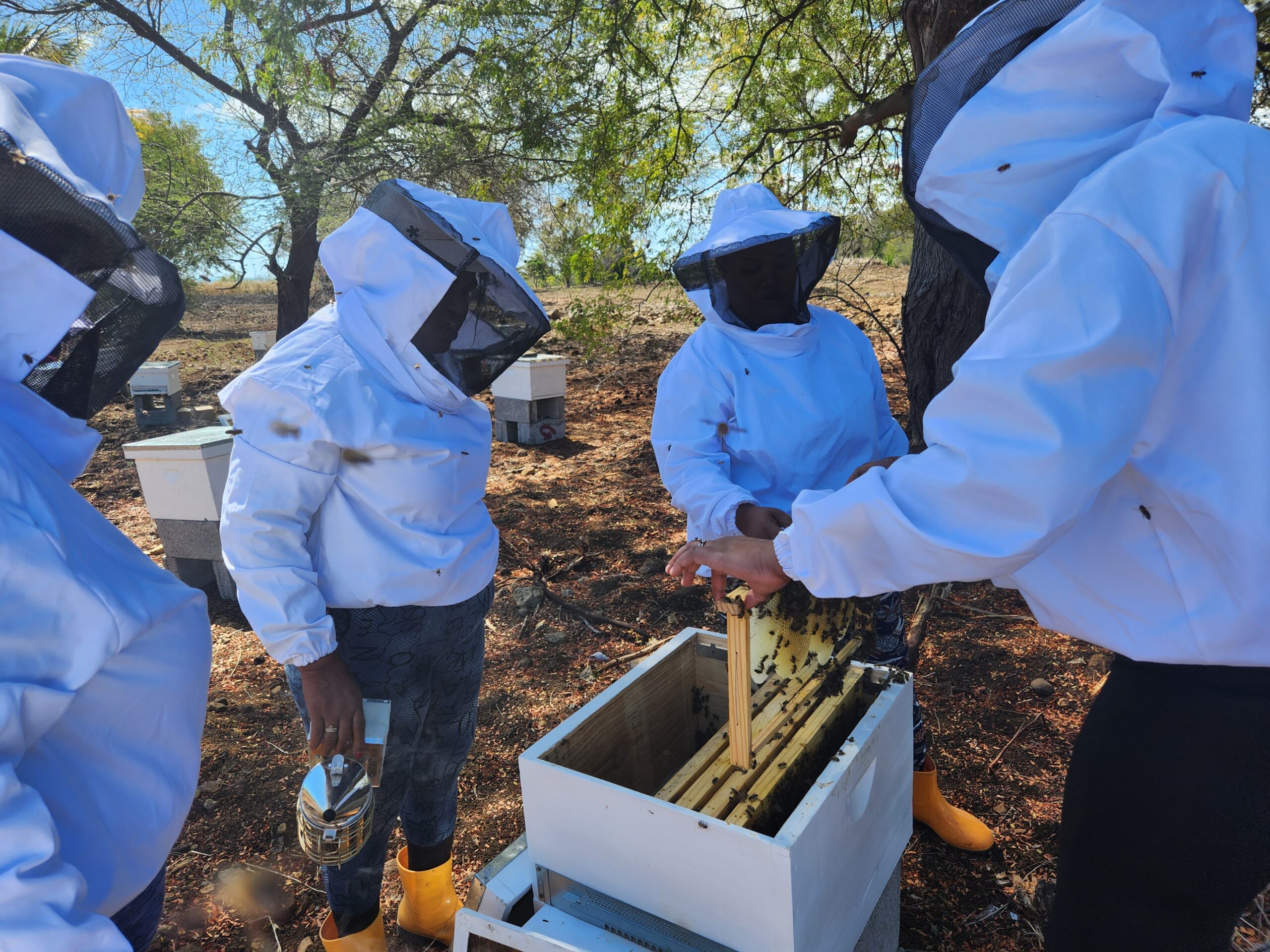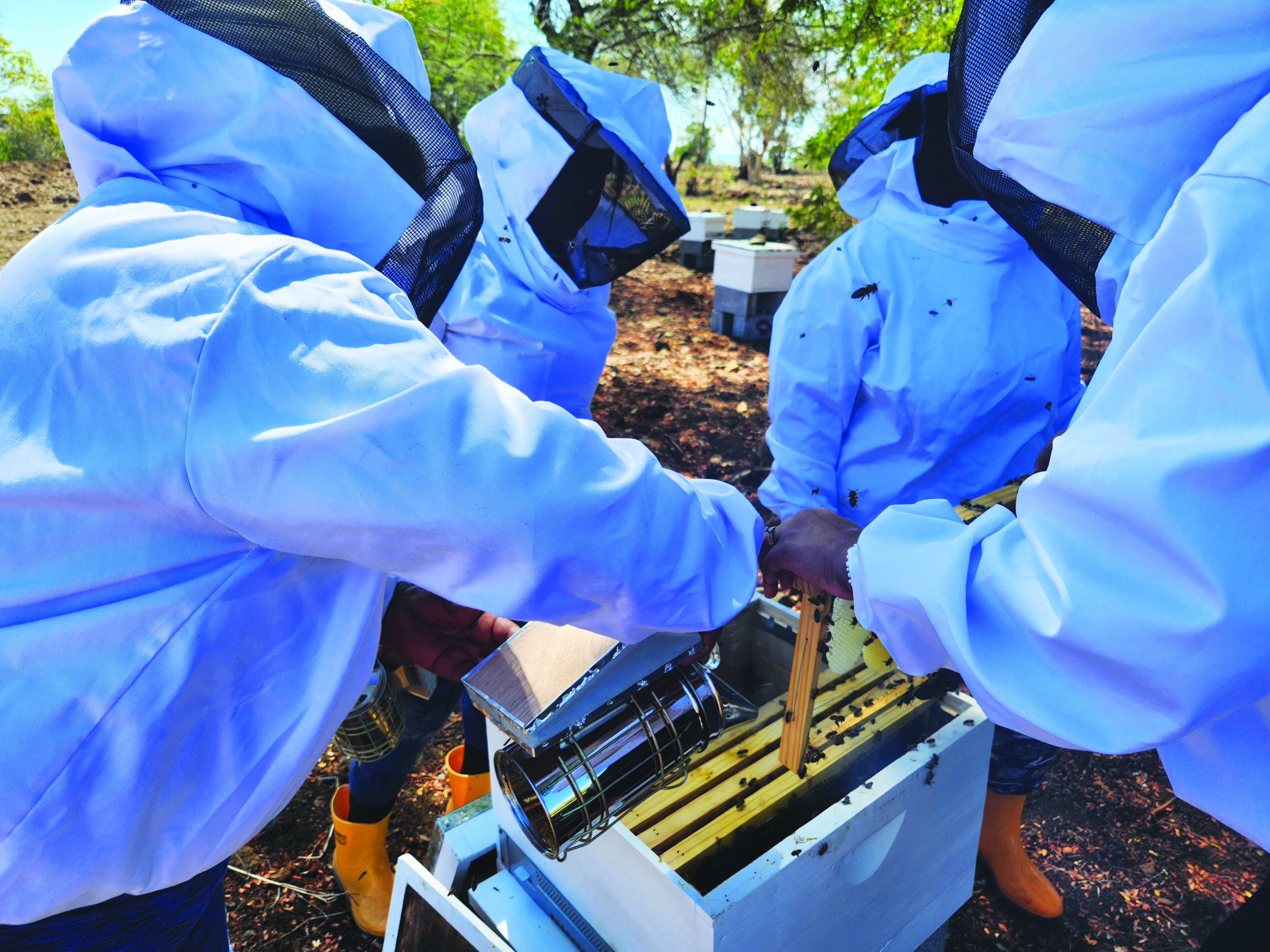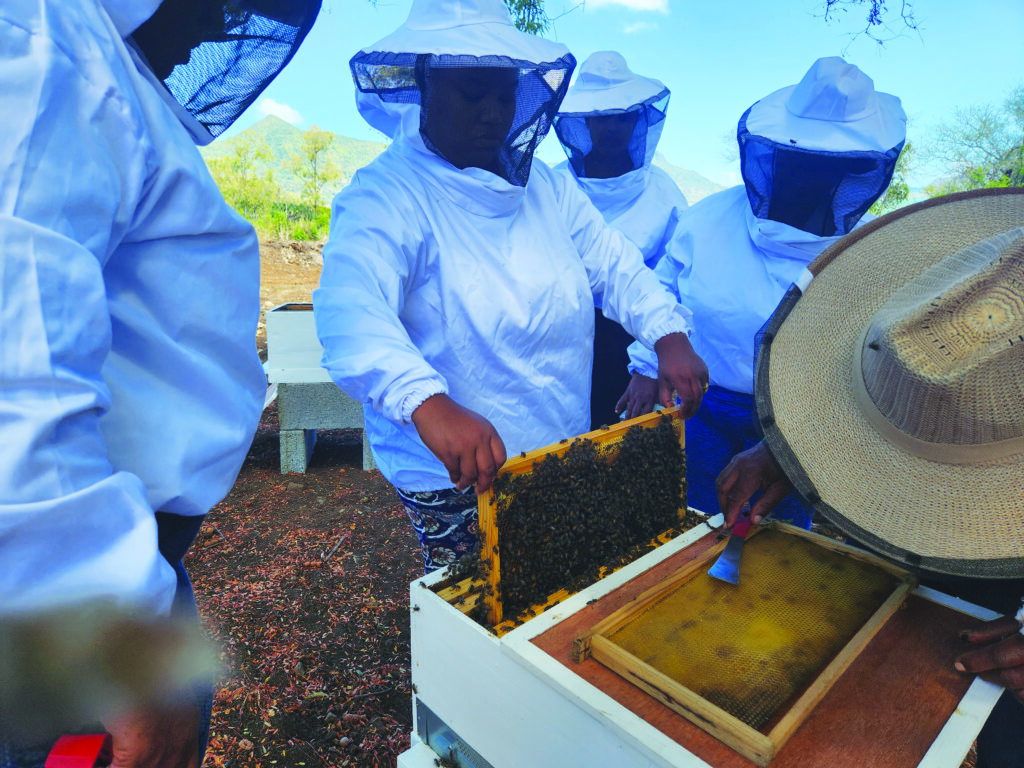
After transplanting and tending the mangrove forest at Le Morne, six women from the village received training in beekeeping to produce… mangrove honey ! Still in its infancy when we announced it in April 2025, this beekeeping project has evolved into the production of wildflower honey, and the women experienced their first harvest last March with pride and excitement! Dominique Bellier
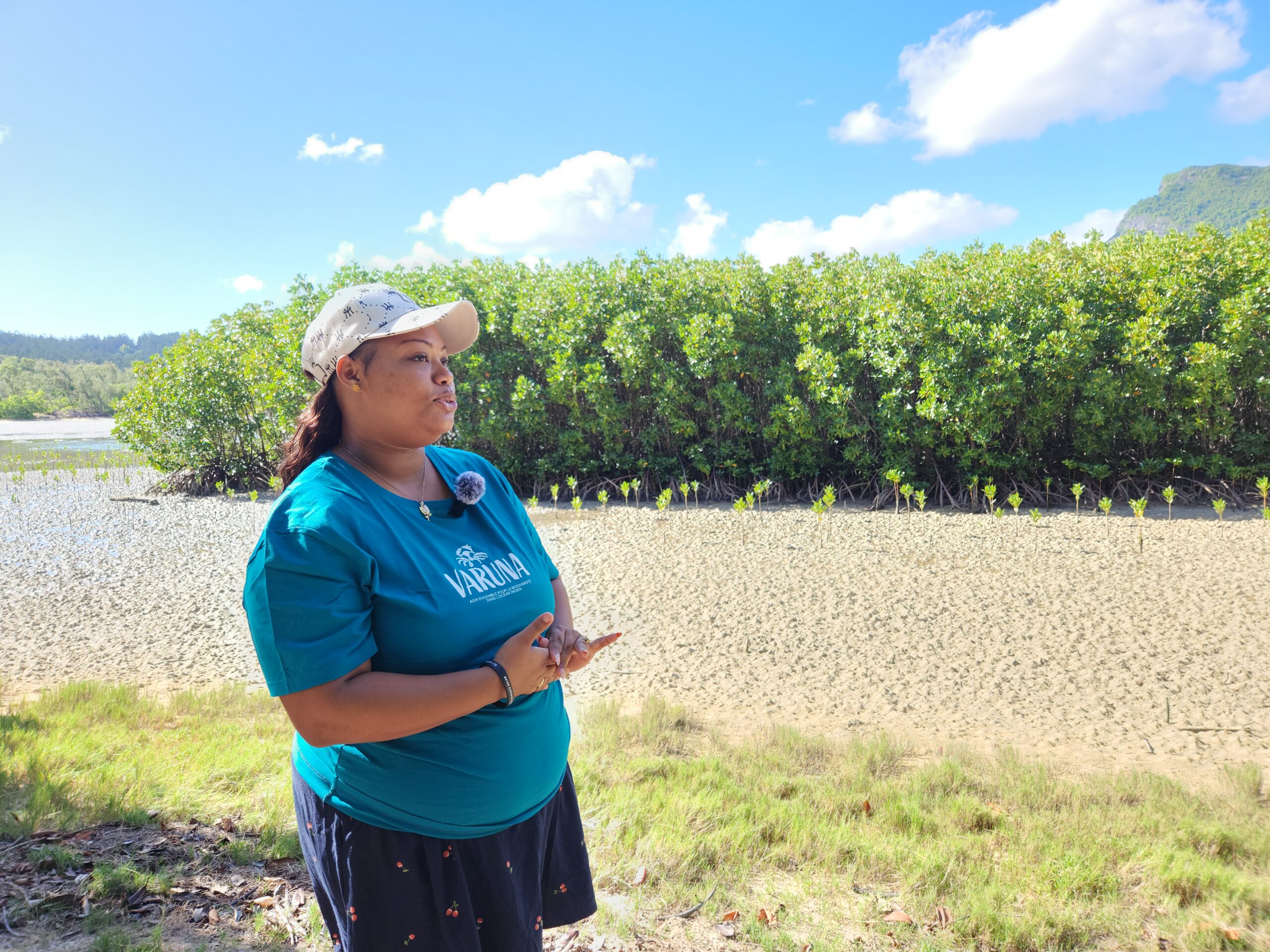
The mangrove area isn’t large enough to support the hard-working foragers… Michael Lafrance, who trained and equipped the new beekeepers in Le Morne, explains: “We don’t have mangrove forests stretching as far as the eye can see, like in Madagascar. Ours are too small, and since the mangroves’ flowering season coincides with that of other plants in the surrounding fields, the bees are bound to look elsewhere…”
Since permits were not granted to place beehives in the Morne mangrove forest, our beekeepers are now working at Case Noyale. Michael remains optimistic: “If we keep planting and stop replacing sections of mangrove forest with buildings, Mauritius could be producing its own mangrove honey in five to ten years. Mangroves grow quickly, but we need to maintain and expand these forests…”
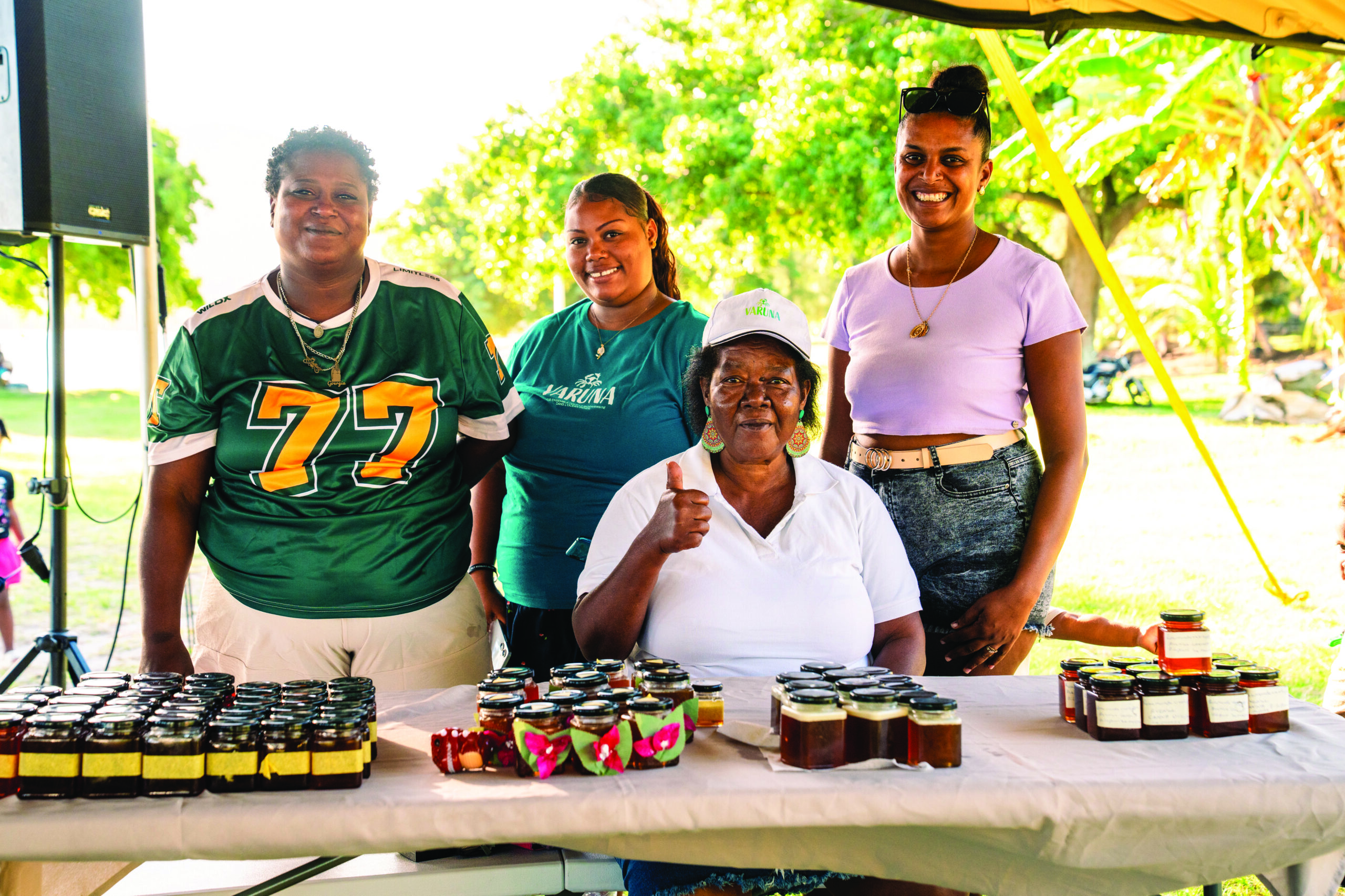
Whether they produce wildflower honey or mangrove honey, the beekeepers of Le Morne take great pride in this experience. Fabiola Lagrosse, one of the six beneficiaries of this Varuna program project, experienced her greatest emotions during the first harvest last March. She didn’t yet have labels to feature her “Honey Ann’s” brand—named after her mother—but she personalized her 19 jars with artificial flowers and glitter…