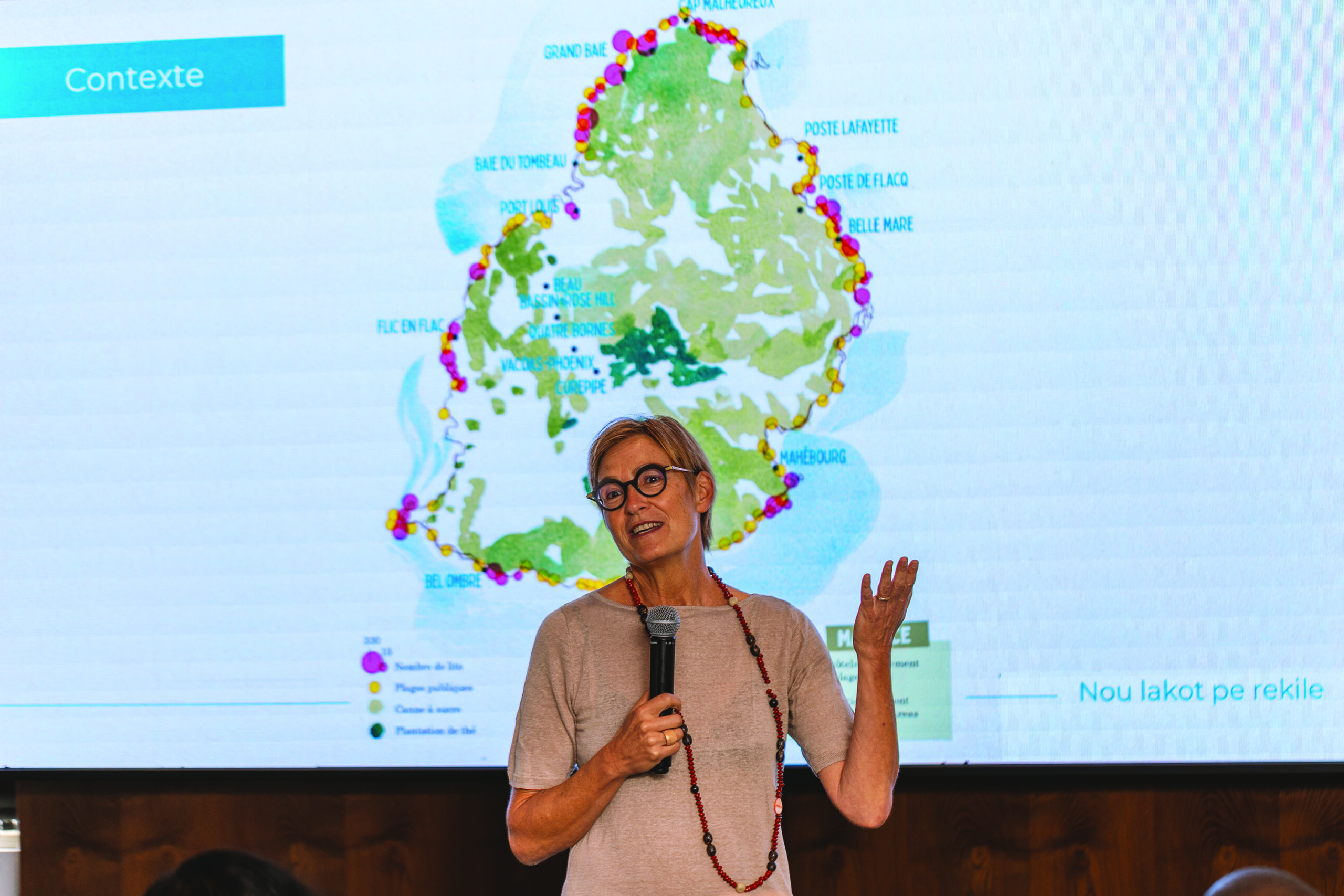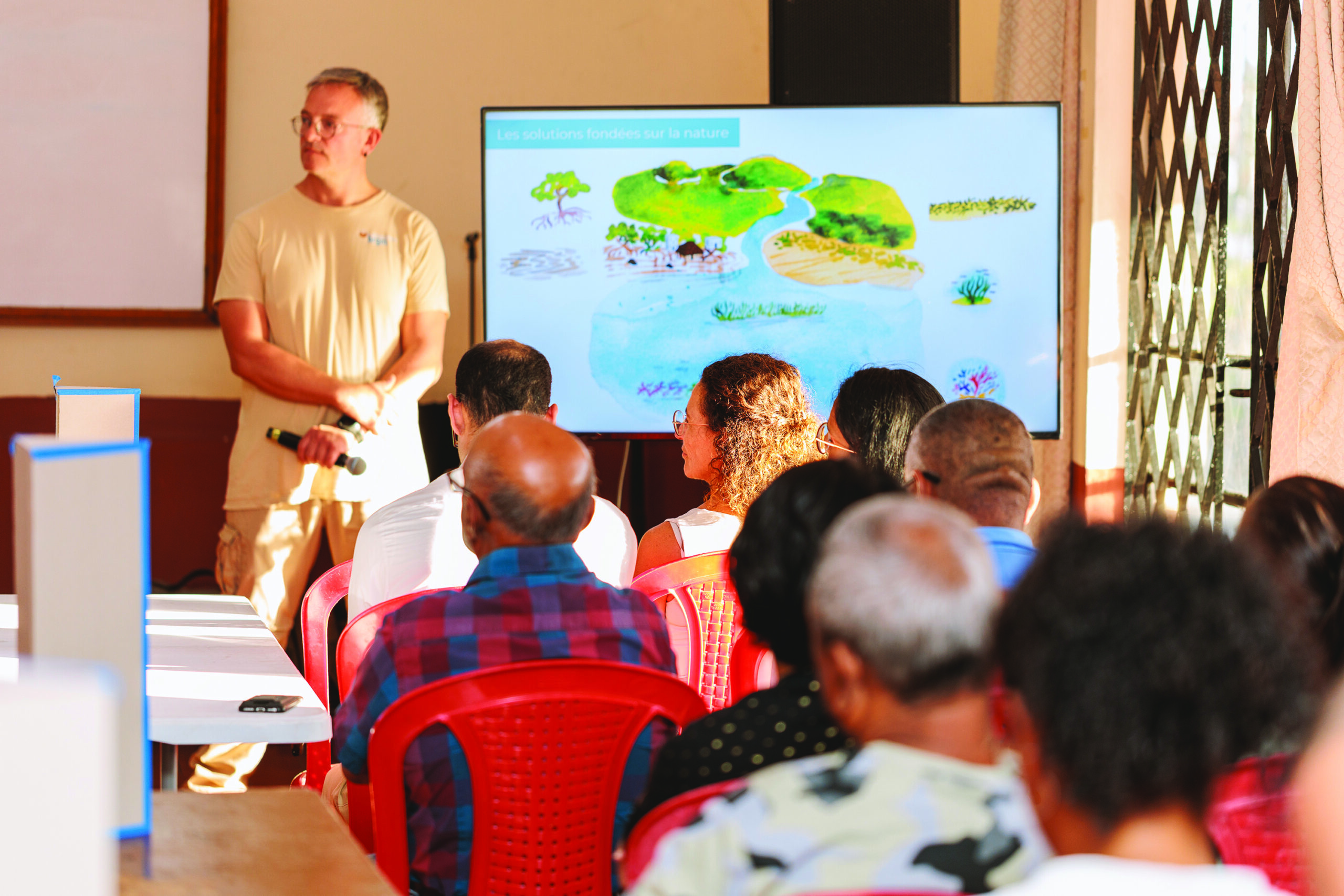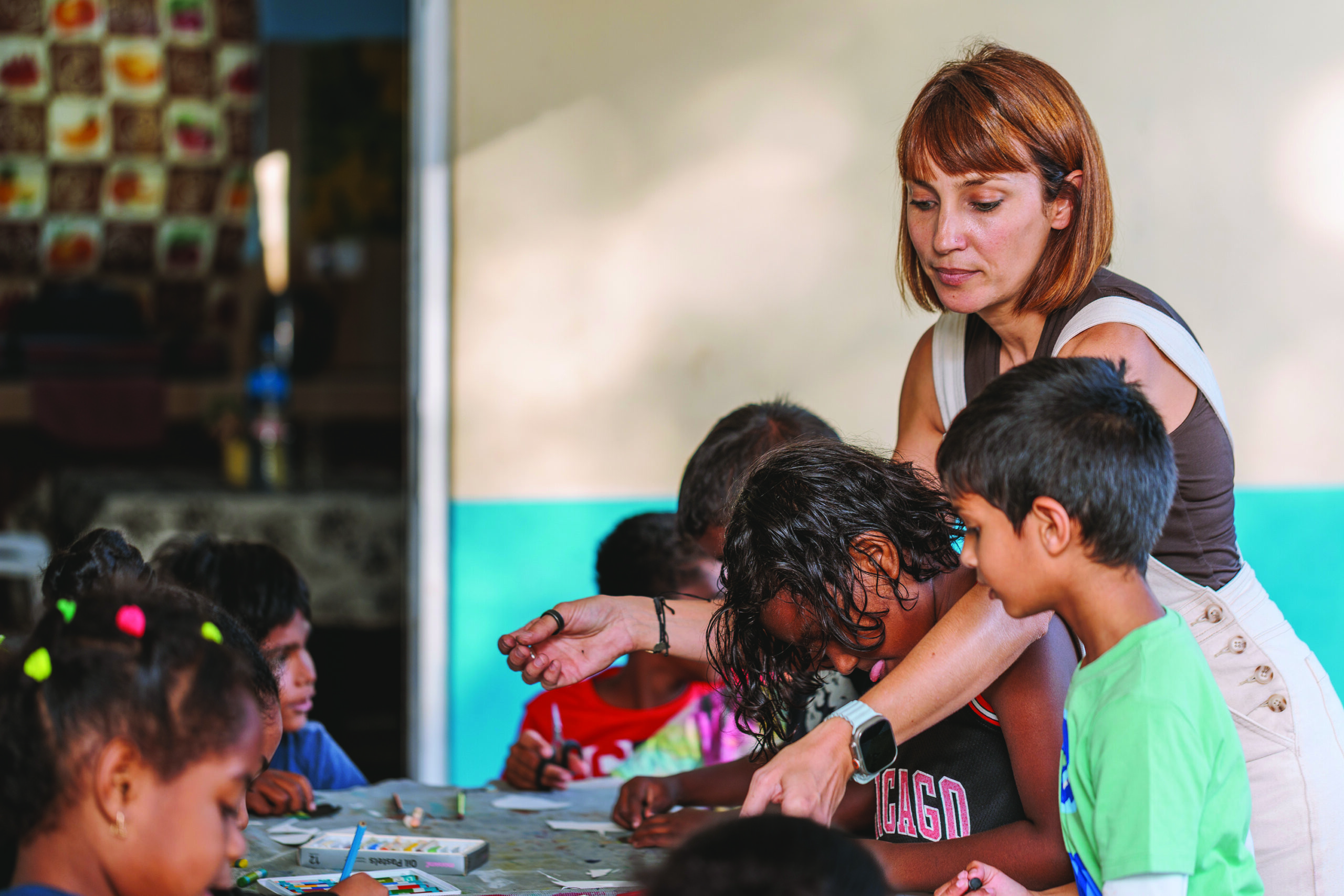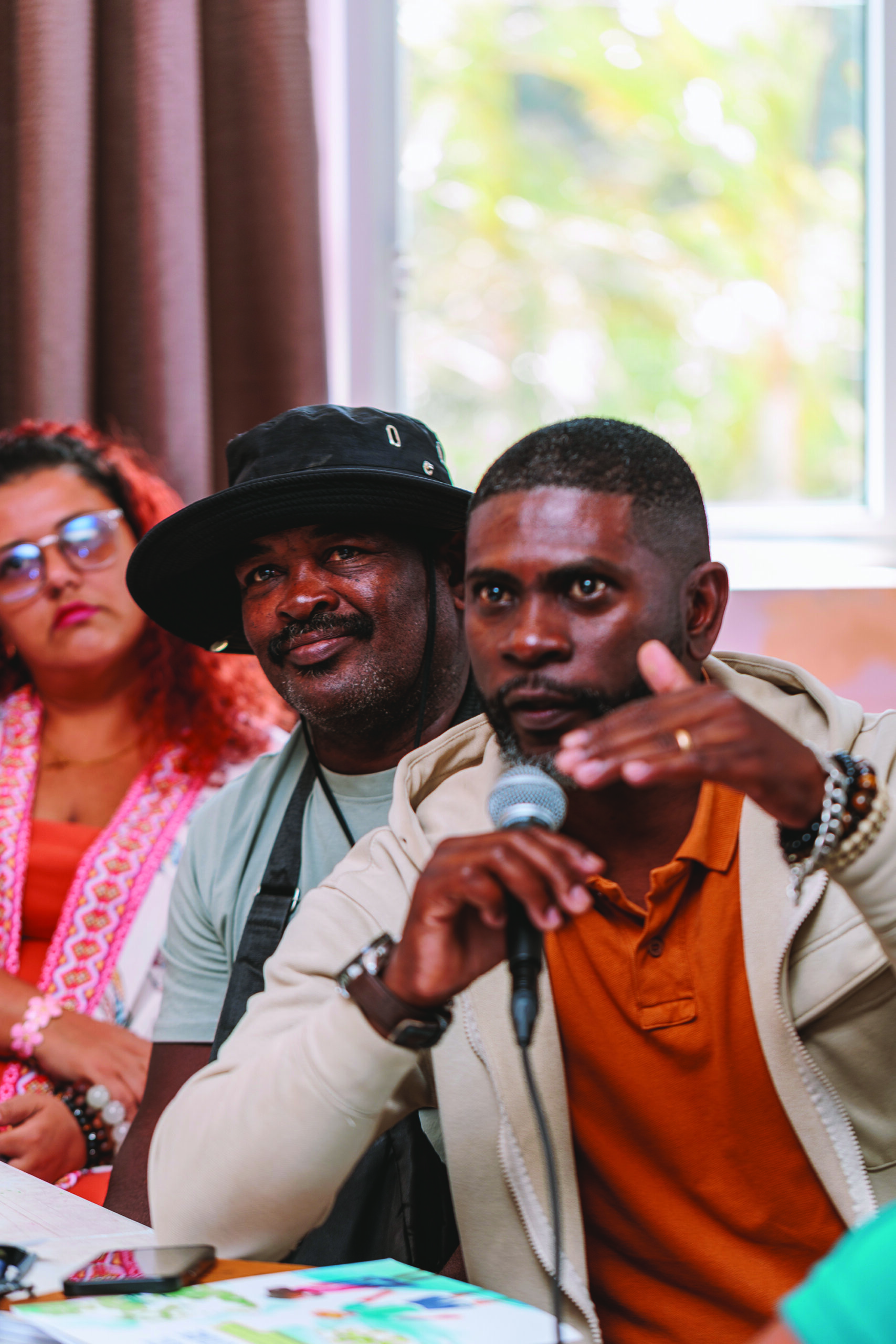
From September 18 to 25, workshops brought residents together to discuss the findings of the MauRisCot study on the retreat of our magnificent coastlines. The program included an interactive game about rising sea levels. Conclusion: Taking action together is complicated, and while there is no magic solution, there are concrete steps we can take. Taysiir Joomun
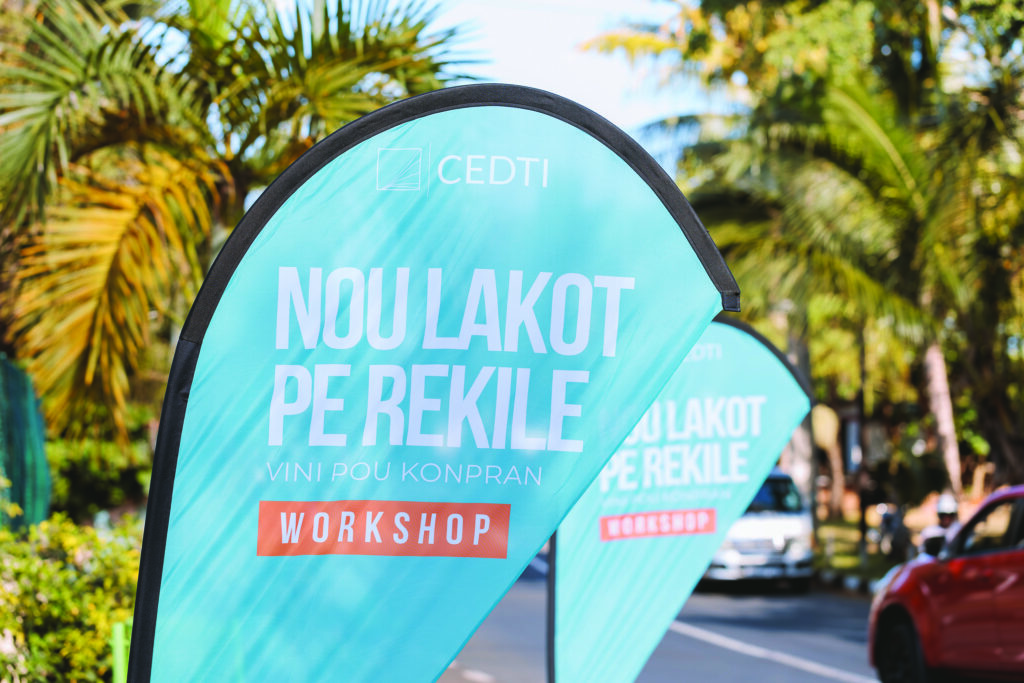
A Look into the Future : According tothe MauRisCot study, a 20- to 30-meter-wide strip of our coastline could be affected by erosion by 2050. More than 13,000 buildings are already at risk of flooding during a major hurricane — in other words, they’re right on the water’sedge… Conducted from 2022 to 2025 by the BRGM, a French geological research organization, this study also draws on the expertise of the University of Limoges, Météo-France, and the University of the Mascarene Islands. To share these findings with the two sister islands, the CEDTI launched the campaign “Nou Lakot Pe Rekile: Ki Pou Reste?” Workshops open to the public provided an opportunity to engage with researchers who contributed to MauRisCot .
At the heart of these sessions is a role-playing game: the setting isBaie Safran, a fictional village where each participant plays a character (hotel owner, local official, fisherman, etc.). Over the course of three rounds, the water rises, and participants must respond. Each player makes decisions for the good of everyone as well as in the interest of their role —though thetwo don’t always go hand in hand. Through this interactive game, participants contribute to the social aspect of the project: understanding the residents and helping them grasp the complexity of a society that must make collective decisions to combat a phenomenon that is advancing slowly but surely. According to the study, there is no antidote that is 100% effective against this phenomenon. Doing nothing means letting the sea gradually erode the coastline. Seawalls are expensive and never foolproof; another option is to raise the height of buildings. That leaves nature: reefs, mangroves, and seagrass beds—all of which take time. Who’s staying? It’s up to us to decide.
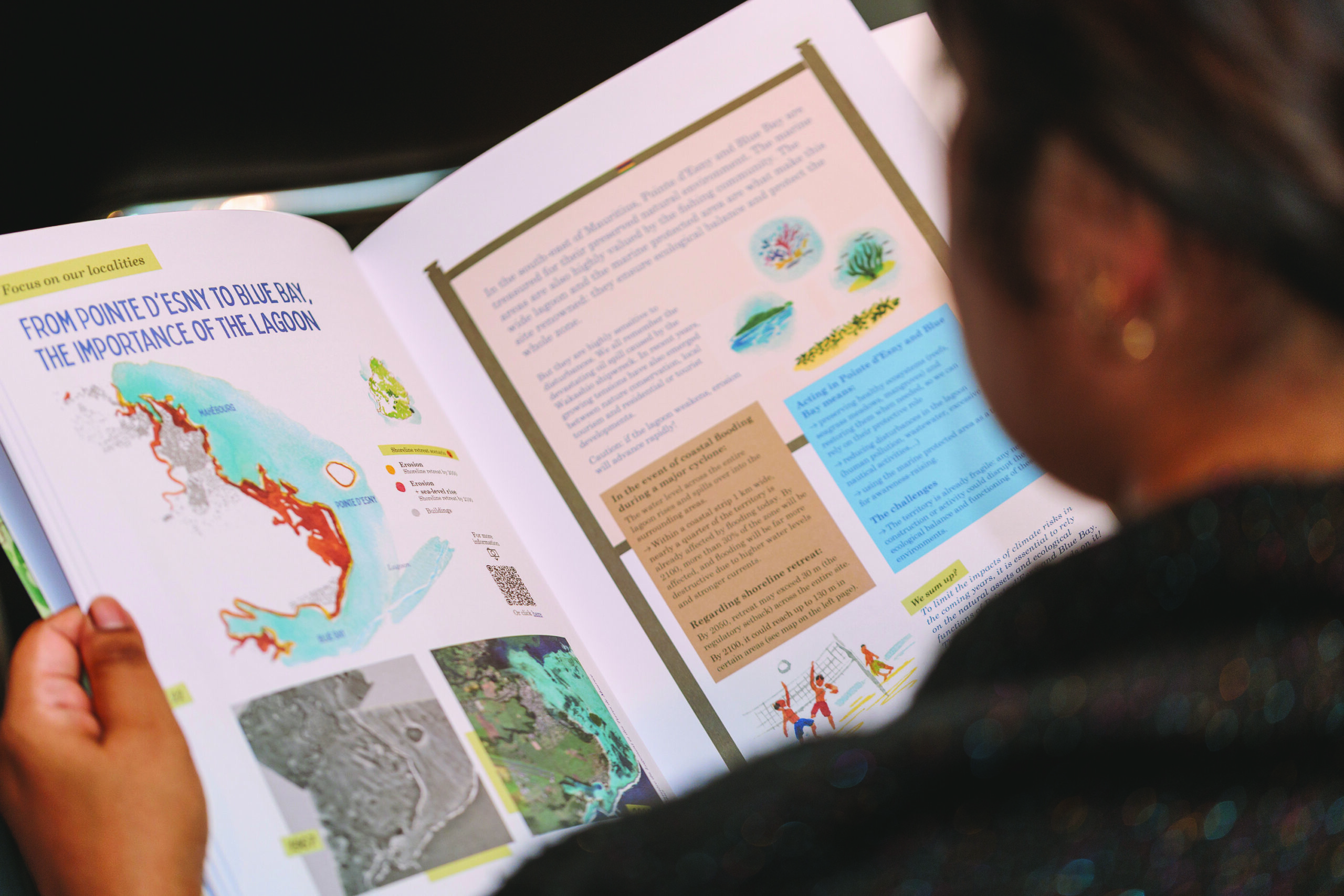
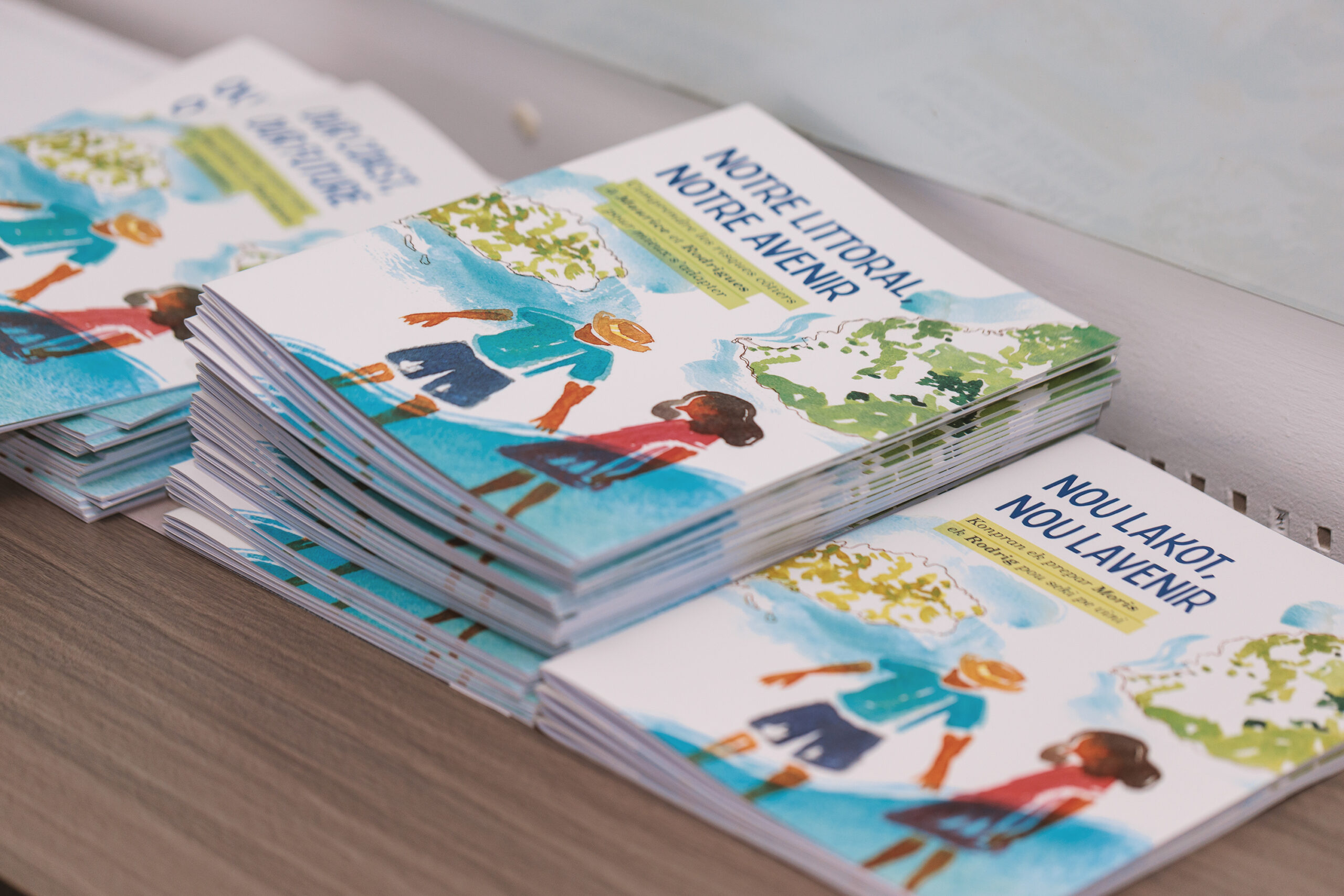
Explanations about our coastline and the proposed solutions are detailed in the booklet, which is 100% free atwww.cedti.net.