The local waters are second to none when it comes to producing exceptional fish, which are a staple of Mauritian cuisine. From the lagoon to the wild St. Brandon archipelago, via fish farms, the Captain Hook brand—distributed by Fine Foods Marketing Ltd.—embodies a culinary world all its own. Four distinctive fish, all sharing one thing in common: their unparalleled quality!
Off the coast of Mauritius, some 270 nautical miles from the mainland, lies the St. Brandon Atoll, like a well-kept secret. From September through December, and again from April through June, canoes crisscross the crystal-clear waters daily, line-fishing for the iconic Captain fish that thrive in the archipelago’s nutrient-rich waters. Highly prized in Mauritian cuisine, this wild-caught fish stands out for its firmer, whiter, and more delicately flavored flesh compared to a “Capitaine” caught in coastal waters. More than the species itself, it is the traceability and purity of the marine environment that give this fish its added value!
The Mauritian lagoon isn’t to be outdone! At five sites along the east coast, the Mahébourg Marine Farm raises the Tropical Sea Bass—a grouper with firm, delicate flesh—in GlobalG.A.P.-certified cages, with traceability guaranteed from egg to plate. Local rivers also prove to be exceptional habitats: aquaculture farms are home to the Berry Rouge and the Berry Noir, two fish that are polar opposites despite their similar names. The former, a cousin of the tilapia, is renowned for its white, delicately sweet flesh, while the Berry Noir, a catfish, boasts a dense, flavorful texture rich in omega-3. Raised without antibiotics or hormones, these fish are also sold without added water to preserve the full quality and natural flavor of their flesh.
Recipe Ideas
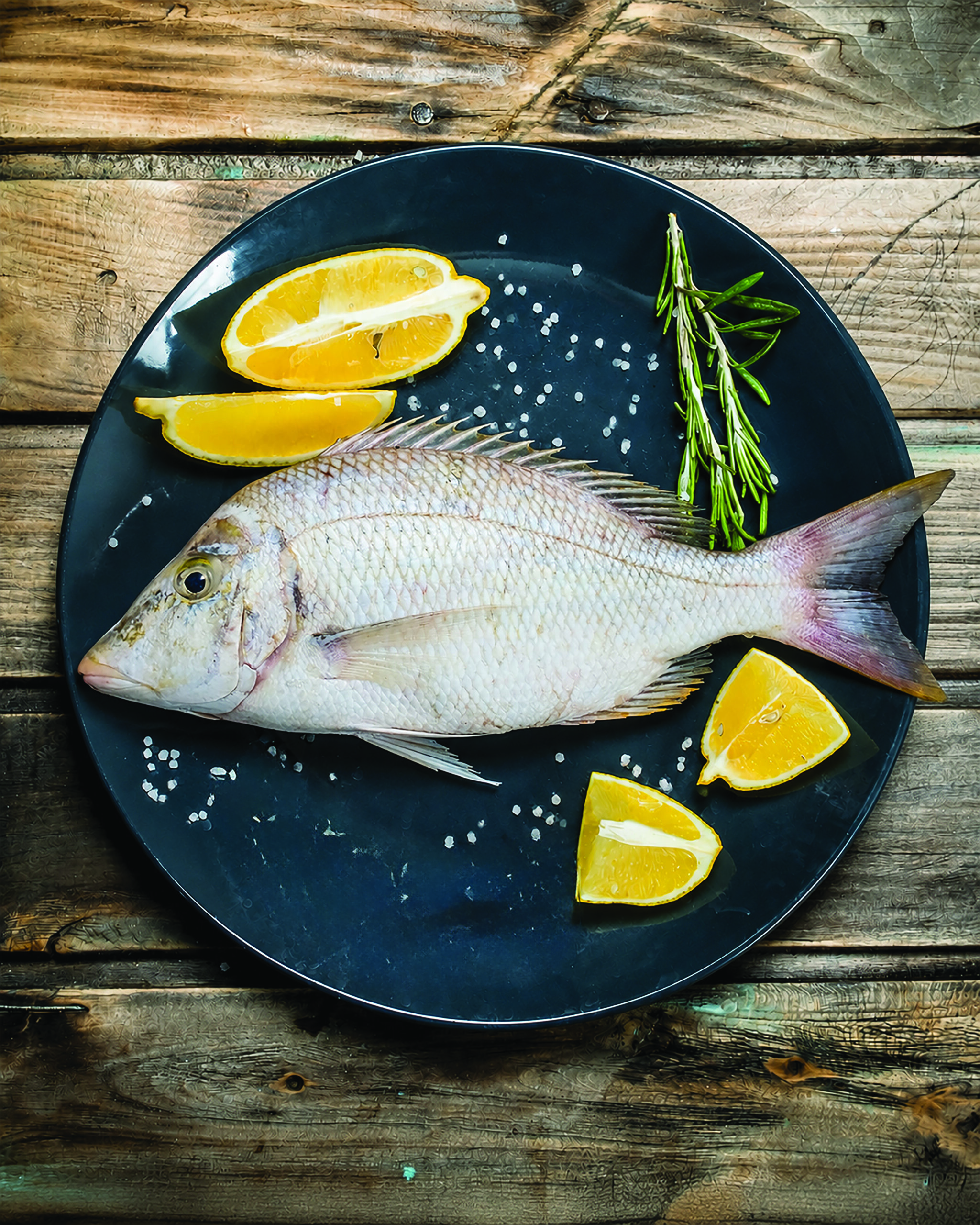
- The Captain of St. Brandon
Its delicate, subtly briny flesh lends itself to all kinds of preparation! Roasted whole in the oven with fresh tomatoes, garlic, and lemon thyme, gentle cooking will preserve its delicious texture. Grilled à la plancha with fennel and lime, it releases its ocean-fresh aromas. Finally, a Creole court-bouillon—with tomatoes, chili peppers, ginger, onions, and curry leaves—or a subtle curry with turmeric and fresh cilantro will delight those craving Mauritian flavors.
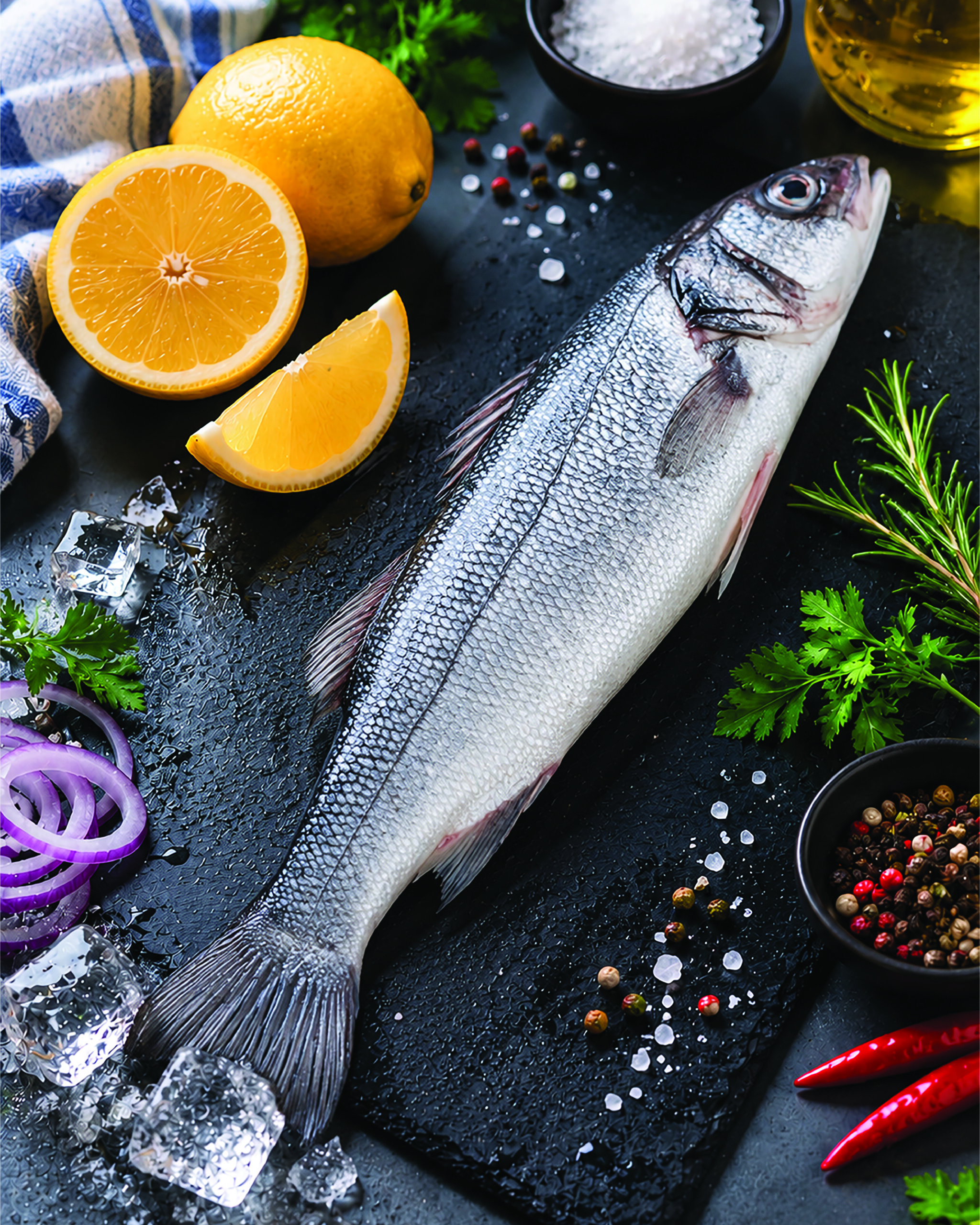
- The Tropical Bar
Its versatility is a valuable asset in the kitchen. Raw, it shines in ceviche seasoned with kaffir lime, in a delicate tartare, or as carpaccio. Grilled whole or as fillets on a griddle, it pairs perfectly with lemon butter and fresh herbs—and the crispy skin adds an extra burst of flavor! For a more comforting meal, try it braised in a casserole dish with garden vegetables and vegetable broth.
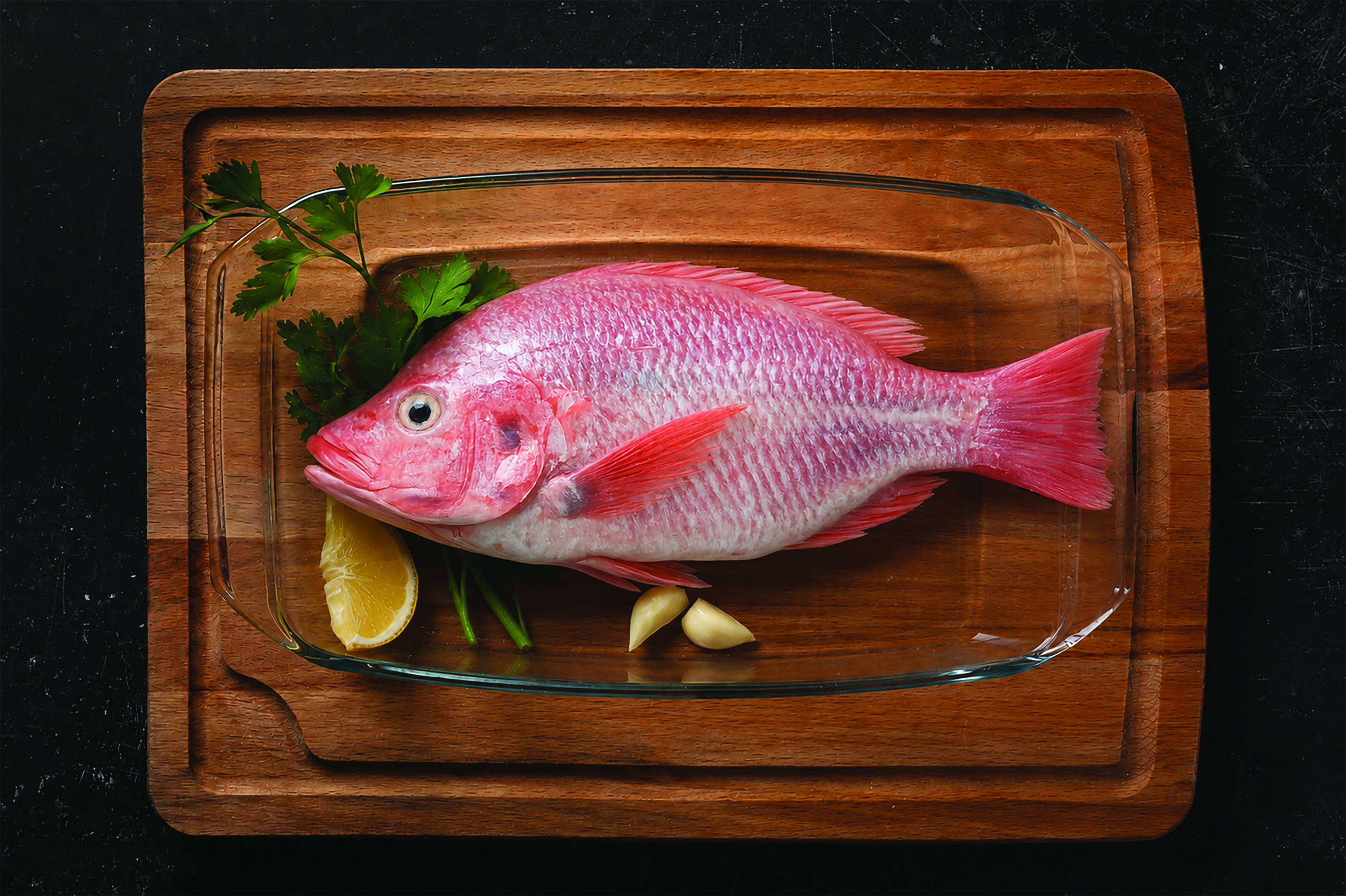
- Le Berry Rouge
The epitome of tenderness, its tender, slightly sweet flesh is best enjoyed pan-fried in butter and lime with fresh herbs. For an Asian twist, it can also be steamed with ginger, lemongrass, and a drizzle of soy sauce. A firm favorite in Mauritian households, it’s often fried whole until crispy and served with a dish of rice and lentils or faratas.
- Le Berry Noir
Its dense texture pairs well with bold spices. In Mauritian style, it’s often served in a vindaye or a slow-simmered curry. For a more exotic twist, it can be enjoyed in a rich sweet-and-sour dish with cucumber, pineapple, and ginger, or in a spicy soup with ginger, garlic, onions, and chili peppers. Finally, according to tradition, it’s also delicious when seasoned and fried in chunks, as long as you take care to keep the outside crispy and the inside tender.