After a year of preparatory work, the Mauritius Heritage Project, an international cooperation initiative aimed at preserving and promoting Mauritian heritage, is beginning to bear concrete fruit this month and is expected to ramp up its activities between now and the end of its two-year term next year. A brief update with coordinator Karen Yvon. Dominique Bellier
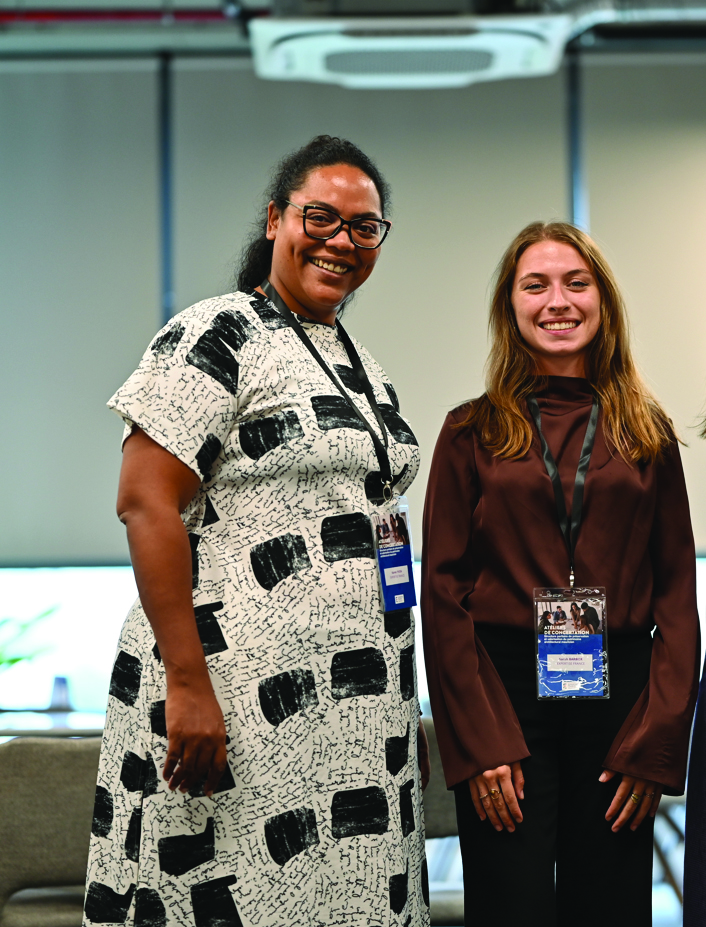
Karen Yvon, the coordinator of the Mauritius Heritage project for Expertise France, reports an increasing number of accomplishments beginning in September, following a year of exploration, networking, and conducting various feasibility studies. The two-year mission is ambitious, as it aims to revitalize the heritage preservation ecosystem in collaboration with existing institutions, providing all the technical support necessary to build its infrastructure.
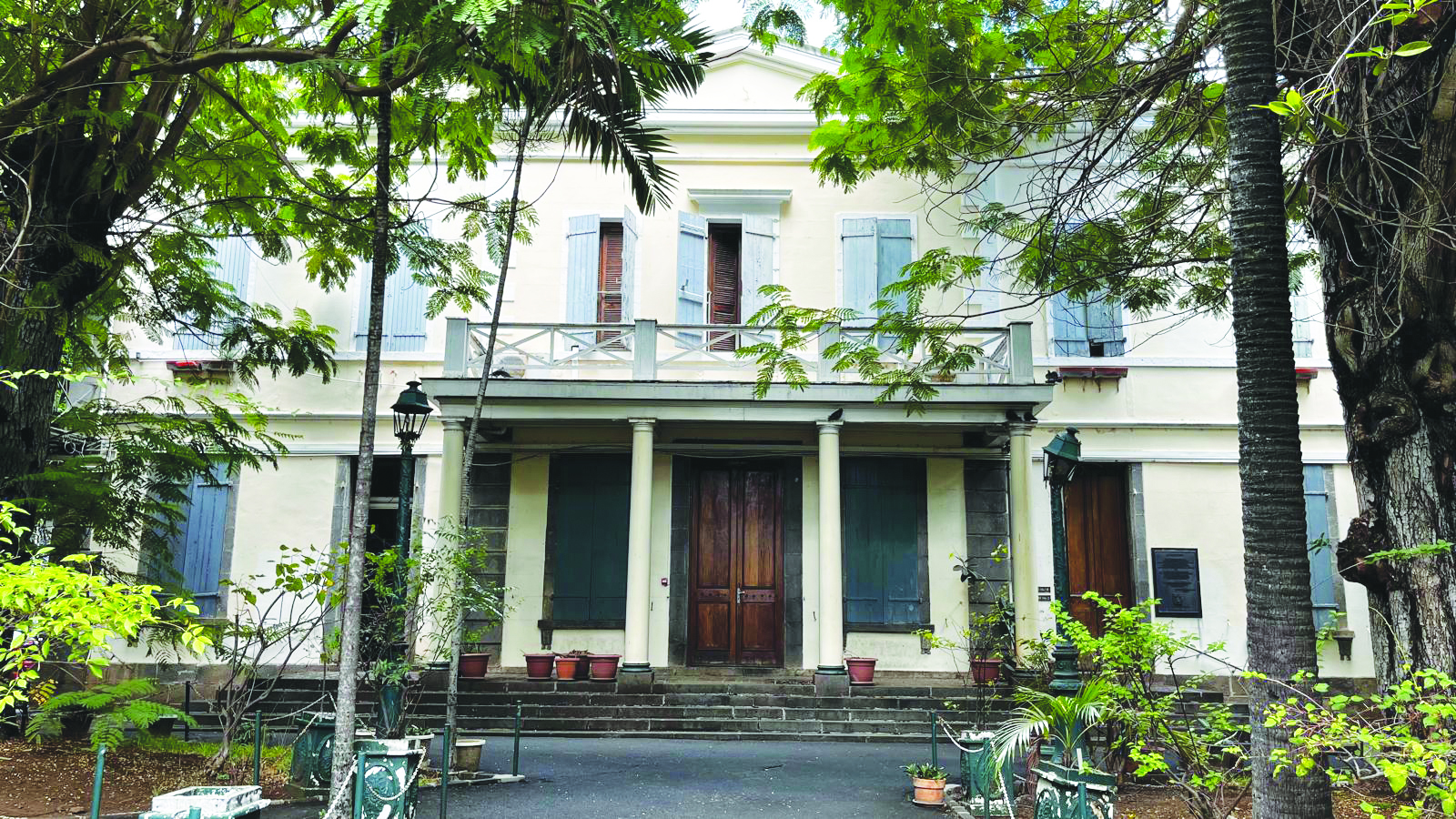
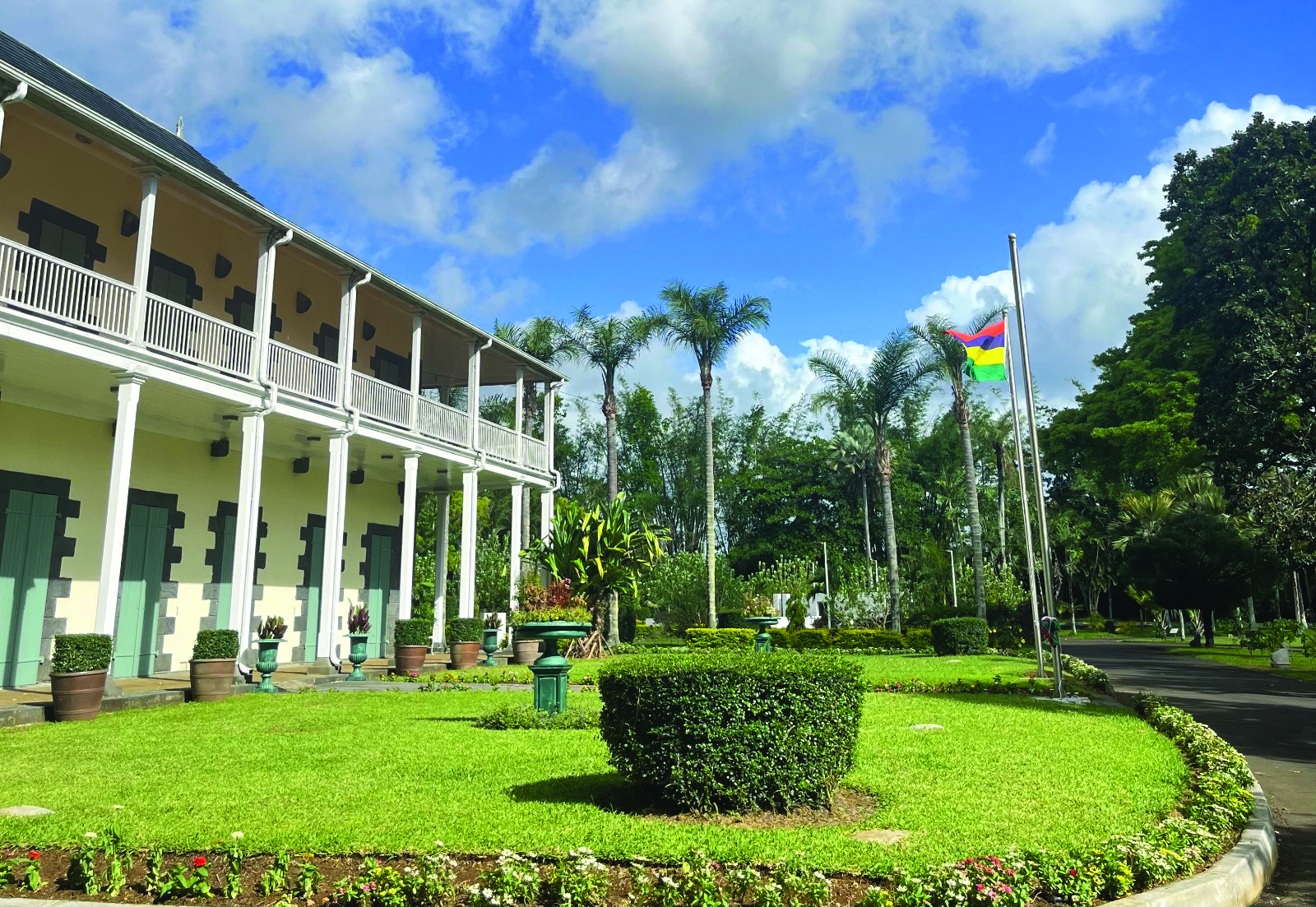
It is sometimes tempting to think that there is still a long way to go in terms of cultural heritage in Mauritius, since—apart from UNESCO-listed sites—a clear and committed cultural and heritage policy is still lacking at the national level. In the project developed with Expertise France, the three sites—the Pamplemousses Garden, the Mahébourg Museum, and the former Supreme Court—to be rehabilitated are considered pilot projects selected for their diversity, allowing for experimentation, improvement, and validation of general principles for the management of Mauritian heritage.
From an institutional standpoint, our interviewee hopes to see the new law passed by Parliament soon, which will transform the National Heritage Fund into the National Heritage Authority, with a broader definition of heritage that would encompass, for example, natural sites and intangible heritage—the latter already including four musical traditions inscribed onUNESCO’sWorld HeritageList…The founding law of 2003 must evolve, and the regulations must be expanded to also include the restitution of cultural property, such as the 50 busts of former enslaved people by Eugène de Froberville, expected next year at theIntercontinental Museumof Slavery…
Secure Funding
Another fundamental aspect is that funding for heritage conservation and promotion—which is currently primarily public— must be diversified to meet the challenges at hand by tapping into new sources, including international funds and private financing, which alone would make it possible to bring many stalled projects to fruition. A feasibility study on the model for the joint public-private body to be established and the type of public-private partnership to be adopted is currently undergoing approval by the Councilof Ministers. Capacity building and professional development, as well as the transfer of expertise, are also fundamental components of a genuine heritage policy. Pilot sites enable project owners to find ways to adapt best practices to the local context and to experiment with collaborations and the transfer of expertise between heritage professionals from France and Mauritius.
To energize and engage civil society, we must— beyond existing NGOs —develop career pathways in the fields of conservation, archaeology, heritage architecture, historical research, and engineering, among others. We could also consider creating heritage clubs to encourage young people to take an interest in these fields.
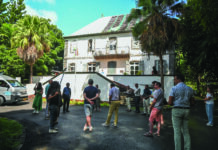
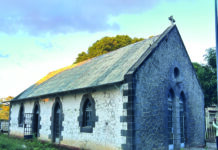
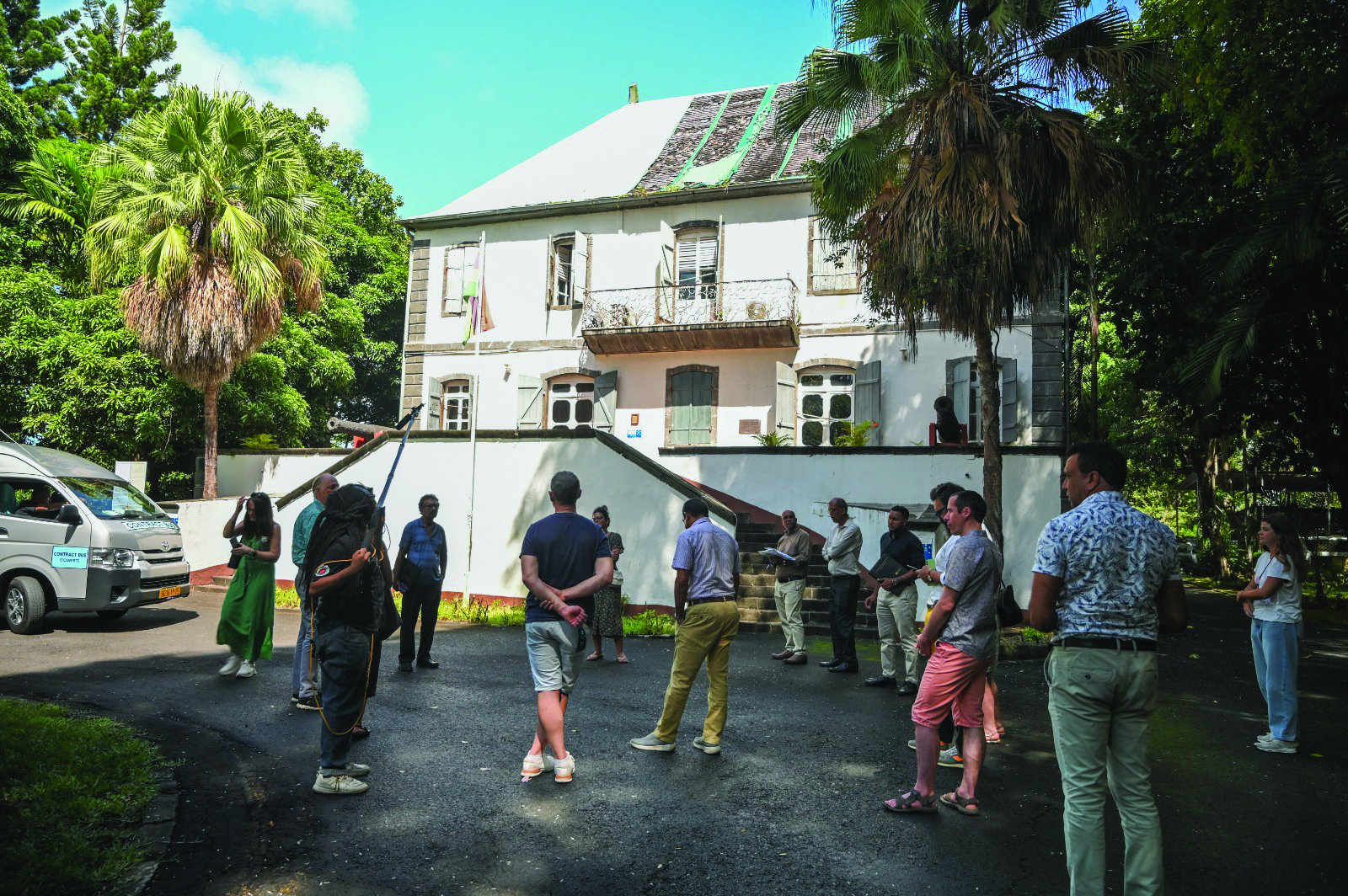
The three pilot sites naturally have different needs. In Mahébourg, the magnificent museum building must be renovated in a way that better highlights its architectural features, with an emphasis on a new museum design that integrates content and form, and on a well-planned visitor experience. At the Pamplemousses Garden, questions arise regarding the function of the Château de Monplaisir, the potential for showcasing the ruins linked to the history of slavery, the botanical collections, and themed trails… As for the former Supreme Court, which is set to be converted into a court of appeals, securing funding is likely to be the most challenging aspect of the renovation, which is expected to be particularly costly. For these three sites, the report by Dominique de Font-Réaulx, Chief Curator of Heritage at the Louvre Museum, is eagerly awaited…
© Twogether
© Twogether
© Sarah Barbier