
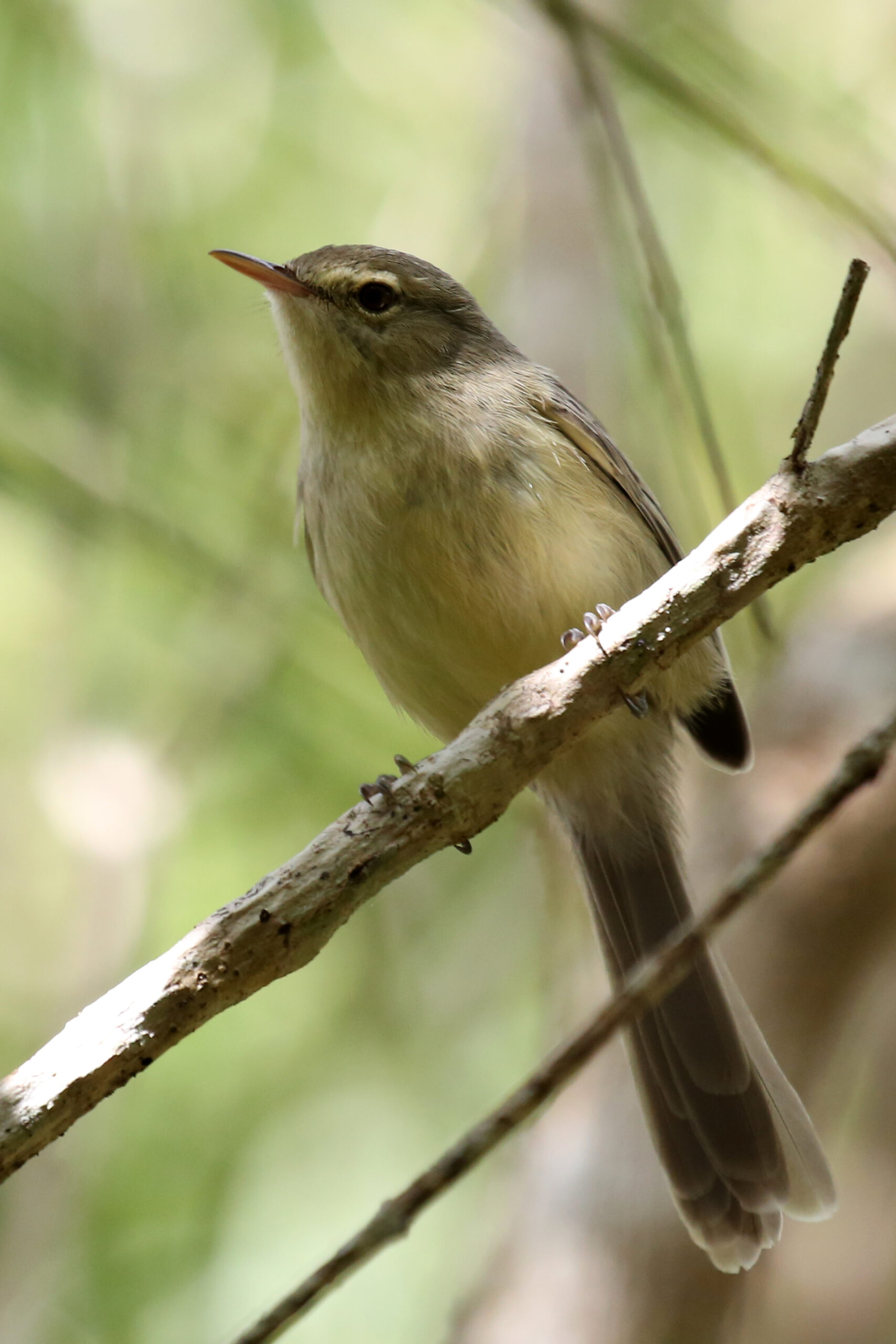
Protectors of Rodrigues’ biodiversity enjoyed a happy end to the year with the favourable reclassification of their status., in October, of the country’s last two endemic birds on the IUCN (International Union for Conservation of Nature) red list. In the sixties, the foudi and the fauvette were on the brink of extinction. Today, they can be found in towns, gardens and forests. Dominique Bellier
In October, the Rodrigues yellow warbler and cardinal were downgraded from “near-threatened” to “least concern”. The combined efforts of the Mauritian Wildlife Foundation, forestry services and local naturalists have borne fruit after years of observation and forest rehabilitation. They have been saved, but specialists remain vigilant… Rodrigues has already lost 10 endemic birds.
Estimated at around thirty in the 70s, the warbler population has risen to 25,000 today. The foudi or yellow cardinal numbered just twelve individuals in the early 70s . Today, they number around 20,000. Watershed protection and the planting of native forests explain this resurgence.
Unique to the Mascarenes, the warbler measures 13 cm, and finds its favorite insects and invertebrates in thickets. Peak breeding occurs in April. The female lays two eggs, which she incubates for 18 days before the young fledge. Naturalists have been monitoring their nesting sites since 2009.
Like our cardinal, the foudi or rodriguais serin is curious and talkative. It can be recognized by its “tchip tchip – tchip tchip” sound and the bright yellow of the males. Nesting occurs from July to September, in November, February and March. This lively bird feeds on flying or crawling insects, seeds and fruit, and above all nectar…