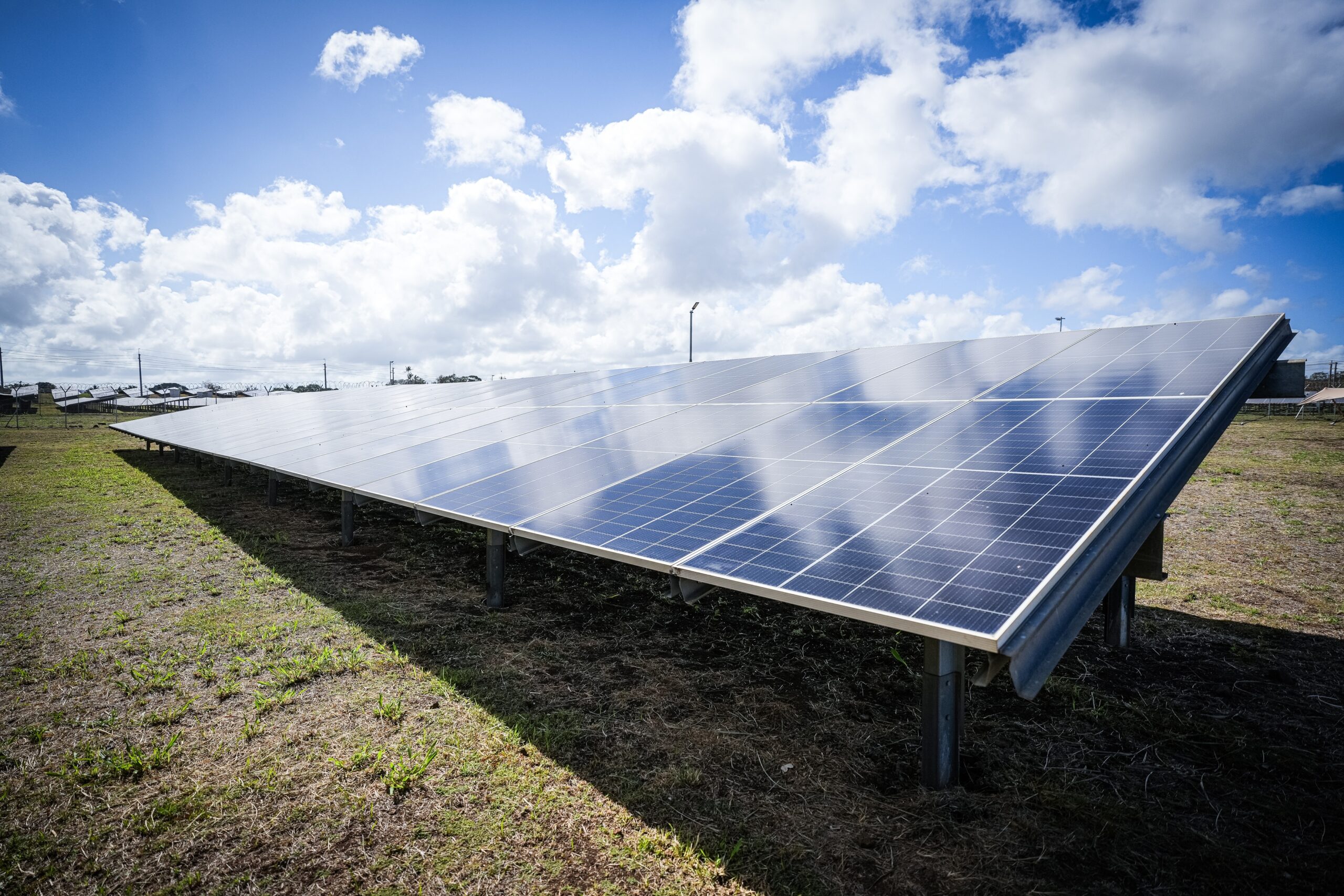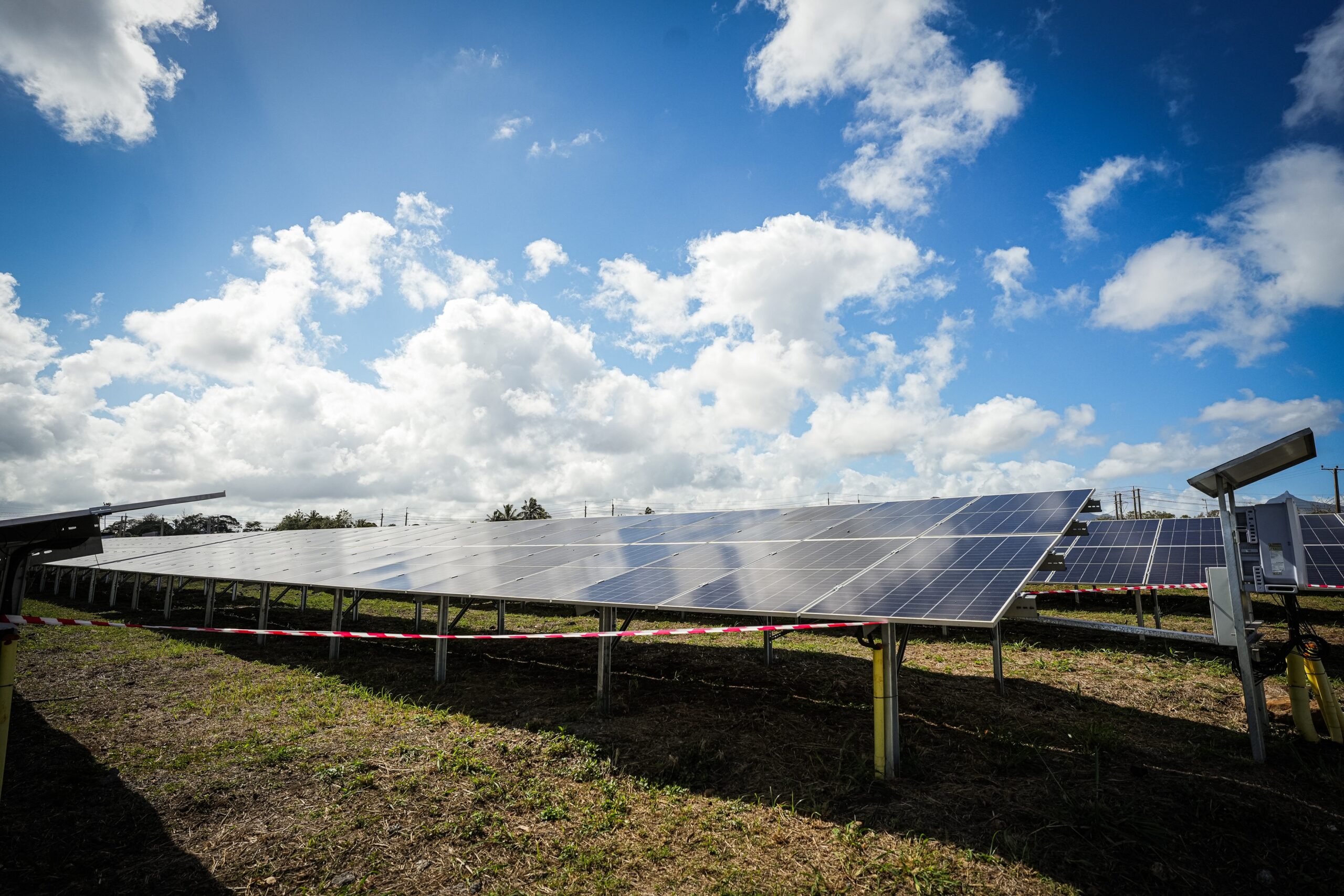

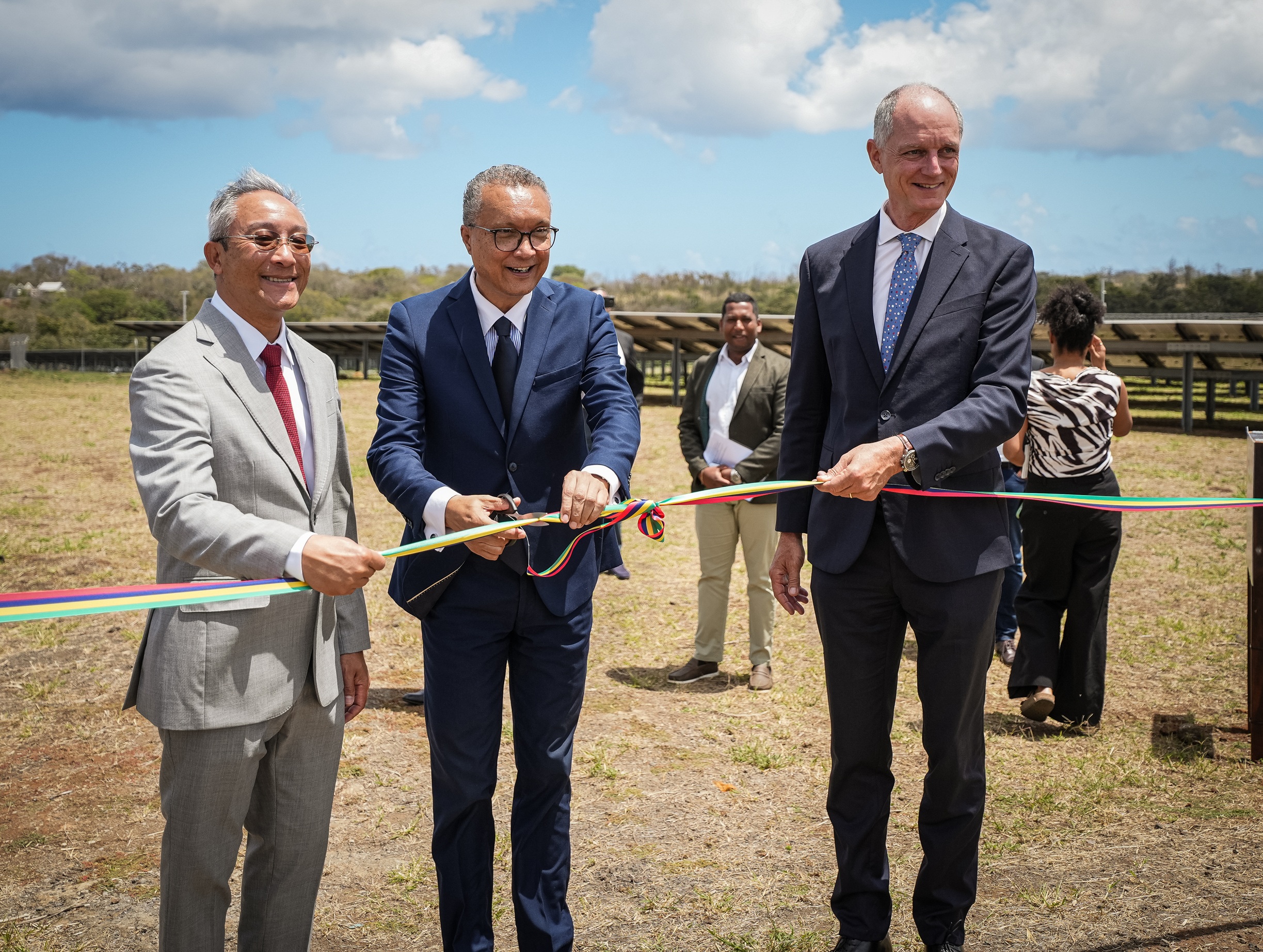

Two solar power plants located in Arsenal are now operational. Developed in partnership with GreenYellow Austral, they will generate more than 6.5 GWh of renewable electricity per year. This commissioning marks the start of a program that includes four facilities with a total capacity of 8.2 MWp.
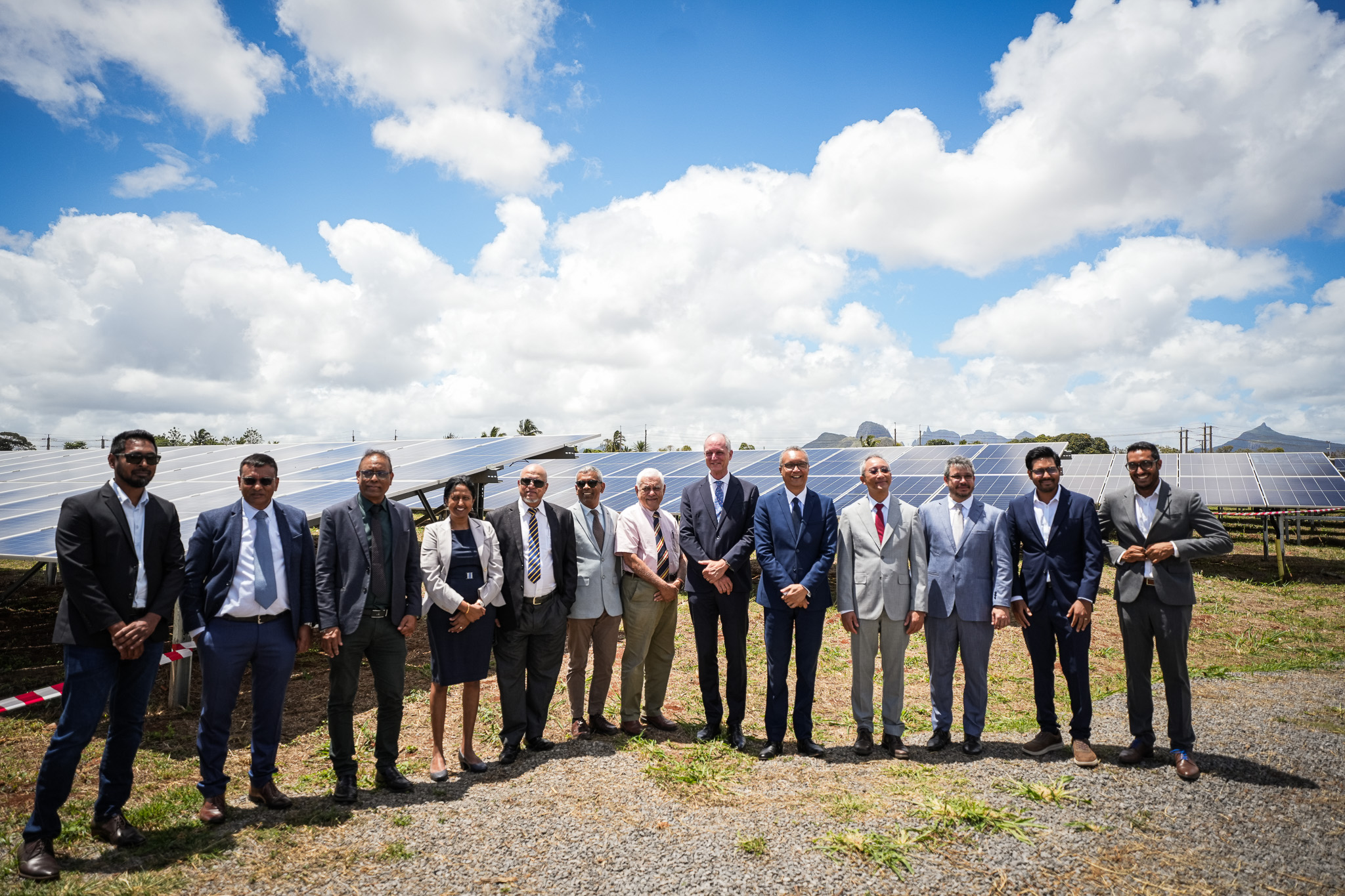
Innodis has taken another step forward in its energy transition. On October 28, the group inaugurated its first two solar power plants in Arsenal, in partnership with GreenYellow Austral and as part of the Carbon Neutral Industrial Sector Renewable Energy Scheme (CNIS). Operational since September, these facilities are now feeding their electricity into the Mauritian power grid. With a combined capacity of 4.2 MWp, they are expected to generate more than 6.5 GWh of renewable electricity each year and prevent approximately 4,620 metric tons of CO₂ emissions annually. They are among the first “off-site” CNIS projects connected to the national grid.
For Innodis, this investment is part of a broader environmental strategy that already encompasses water management, wastewater treatment, and waste reduction related to its operations. It also addresses the challenges facing the agri-food sector, which is grappling with volatile production costs and the need to limit its environmental footprint.
The availability of reliable and more sustainable energy is also critical to the long-term viability of local food production in a country that remains heavily dependent on imports. But the project doesn’t stop at Arsenal. The partnership with GreenYellow calls for the construction of two additional power plants at other group locations. Ultimately, the four facilities will have a combined capacity of 8.2 MWp and are expected to generate approximately 12.5 GWh of renewable electricity per year—equivalent to the annual consumption of nearly 4,500 Mauritian households. In particular, a new power plant for the Dairy division is currently under construction.
This initiative also illustrates the private sector’s role in diversifying the national energy mix. For Innodis, the challenge is to balance industrial performance, cost control, and reducing its carbon footprint. “For an industrial group like ours, investing in more sustainable energy also means strengthening our competitiveness and our ability to produce over the long term. That is the essence of our ‘Good today. Better tomorrow’ philosophy,” emphasizes Jean-Pierre Lim Kong, CEO of the Innodis Group.. With these first two facilities now connected to the grid, the group is laying the groundwork for lower-carbon energy production while continuing to roll out its solar power program.