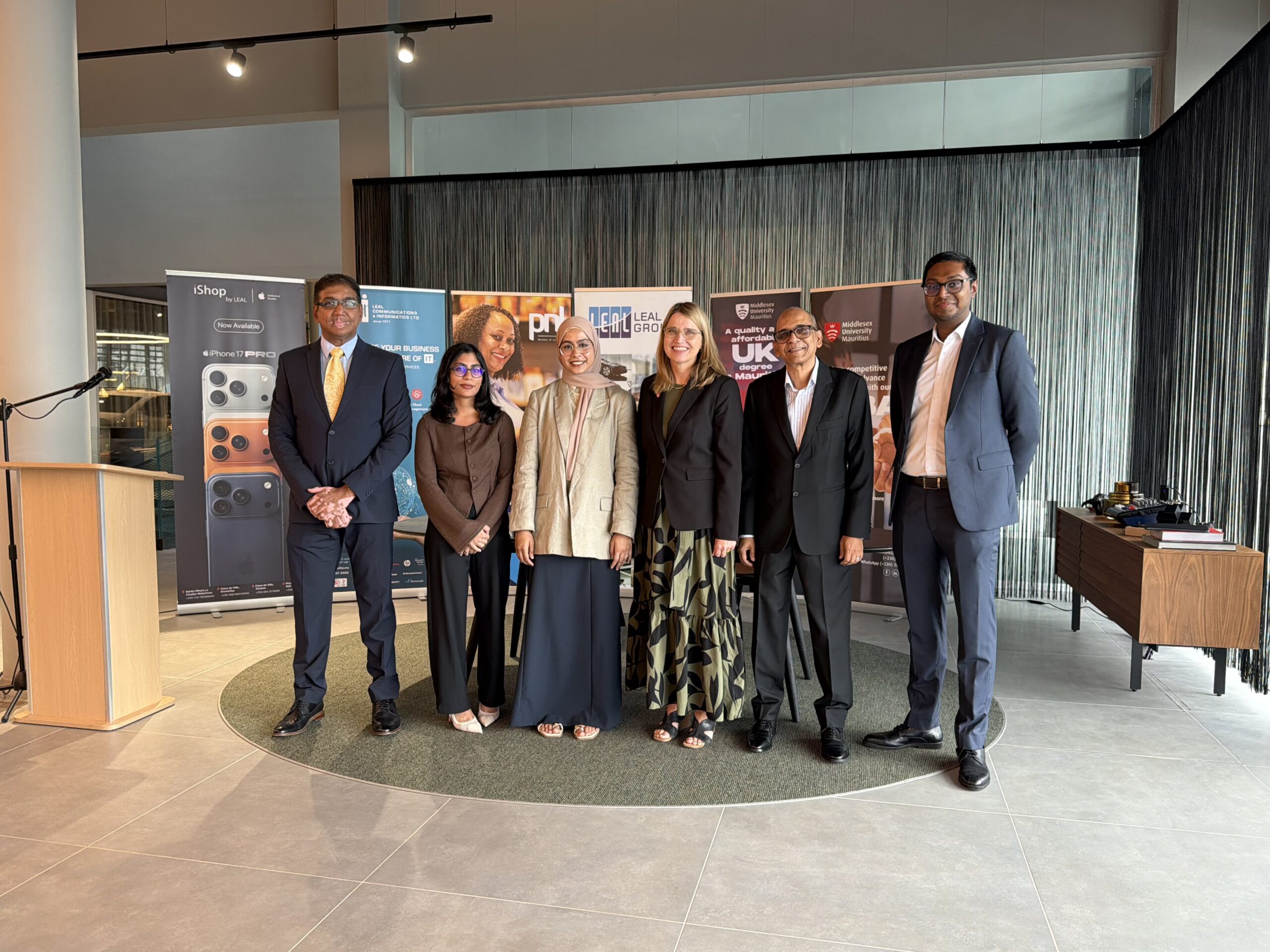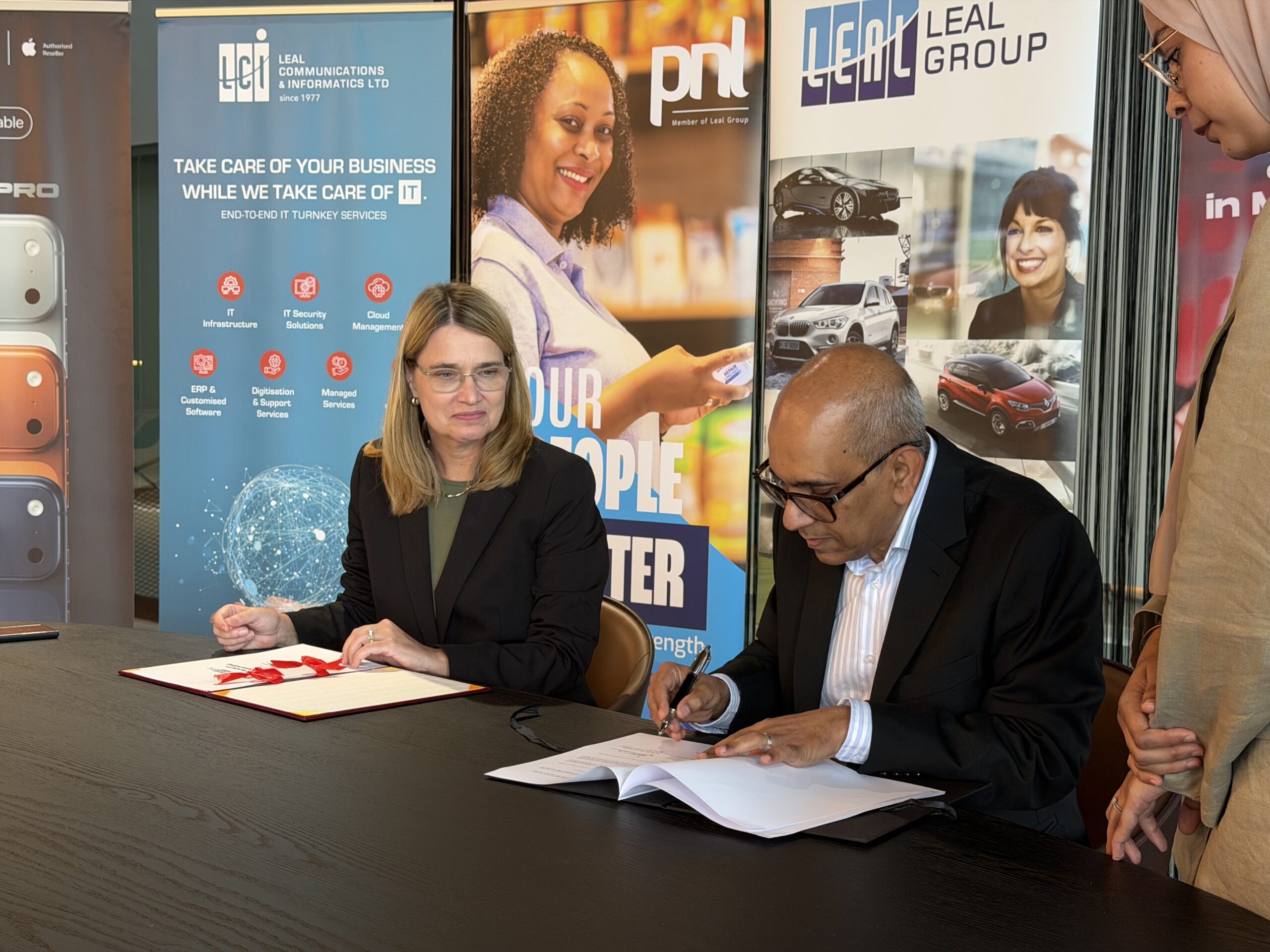

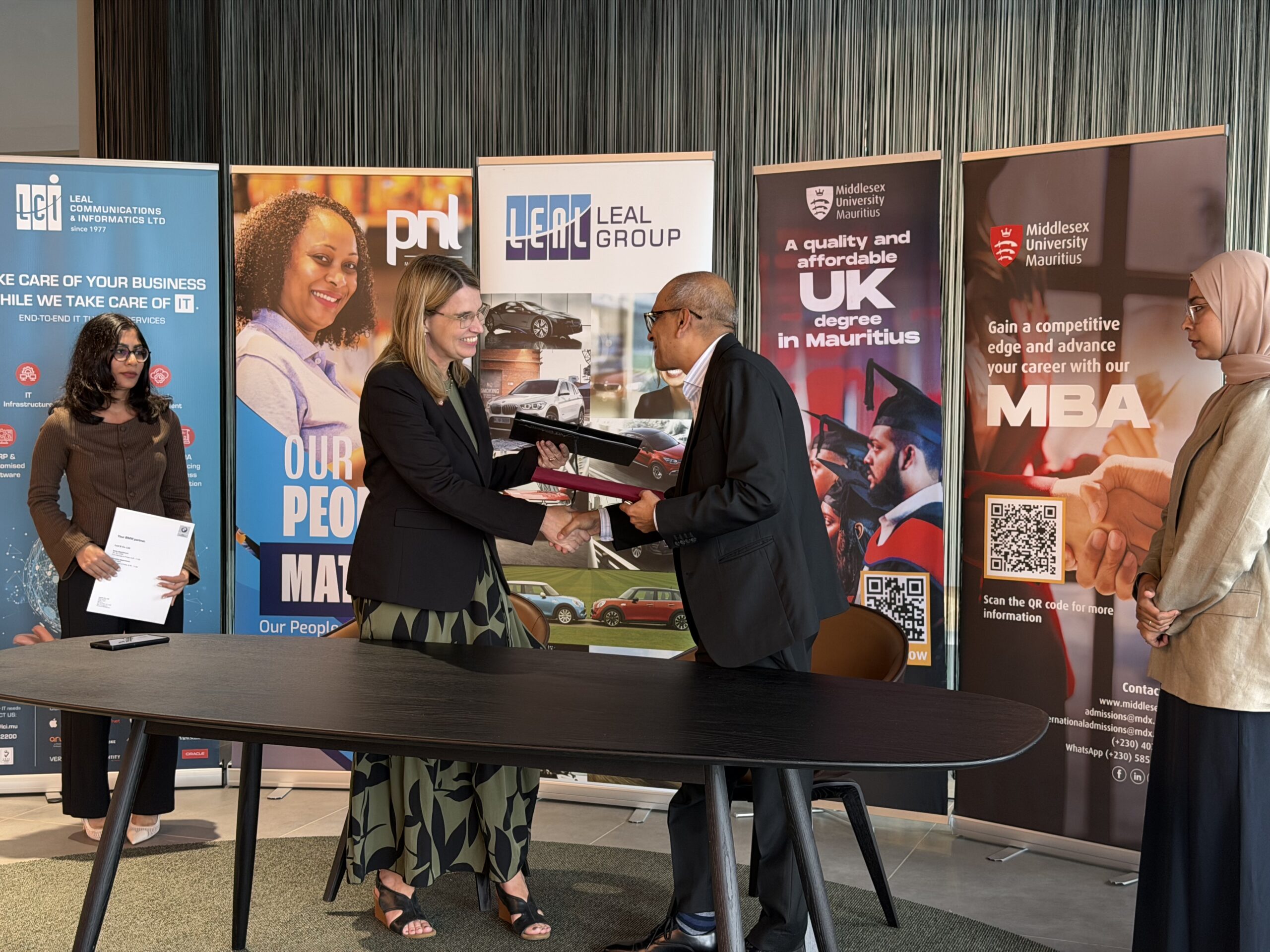

The Leal Group and Middlesex University Mauritius have just taken a significant step toward bridging the gap between the academic world and the private sector with the signing of a memorandum of understanding (MOU) formalizing a first-of-its-kind collaboration in Mauritius.
In practical terms, this partnership opens doors for students at Middlesex University Mauritius to structured internships and applied research projects within the various operational divisions of the Leal Group. This is a particularly exciting development, given that the Leal Group is a leading player in the Mauritian economy, with a presence spanning more than 50 years in sectors as diverse as automotive, IT, engineering, pharmaceuticals, and consumer goods.
For students, the benefit is twofold: gaining hands-on experience that directly enhances their academic program, while contributing to real-world challenges within a group ranked among the top 5 in Mauritius. “This partnership serves as a model for academia-industry collaboration, aligning our shared commitment to innovation, excellence, and preparing graduates for immediate contributions to the industry,” says Yousouf Rehmally, CFO of Leal Group.
For its part, Middlesex University Mauritius—the country’s largest private institution of higher education, with more than 2,000 students from 55 countries and a graduate employment rate nearing 99%—sees this as a concrete manifestation of its “Student First” approach ” approach. “We place practical experience at the heart of learning, because preparing students for the future cannot be done in a vacuum,” explains Prof. Mari Jansen Van Rensburg, Provost & Director of Middlesex University Mauritius.
A Joint Steering Committee, composed of senior representatives from both institutions, will oversee the implementation, ensuring that academic rigor and industrial relevance go hand in hand. The framework also includes clear provisions regarding intellectual property, as well as the dissemination of research results arising from the collaboration.
Beyond the two signatories, this agreement strengthens Mauritius’s position as a regional hub for education and innovation. This sends a strong signal at a time when the ability to train graduates who are immediately ready for the workforce—and equipped with the human skills that artificial intelligence cannot replace—is becoming a competitive advantage in its own right.