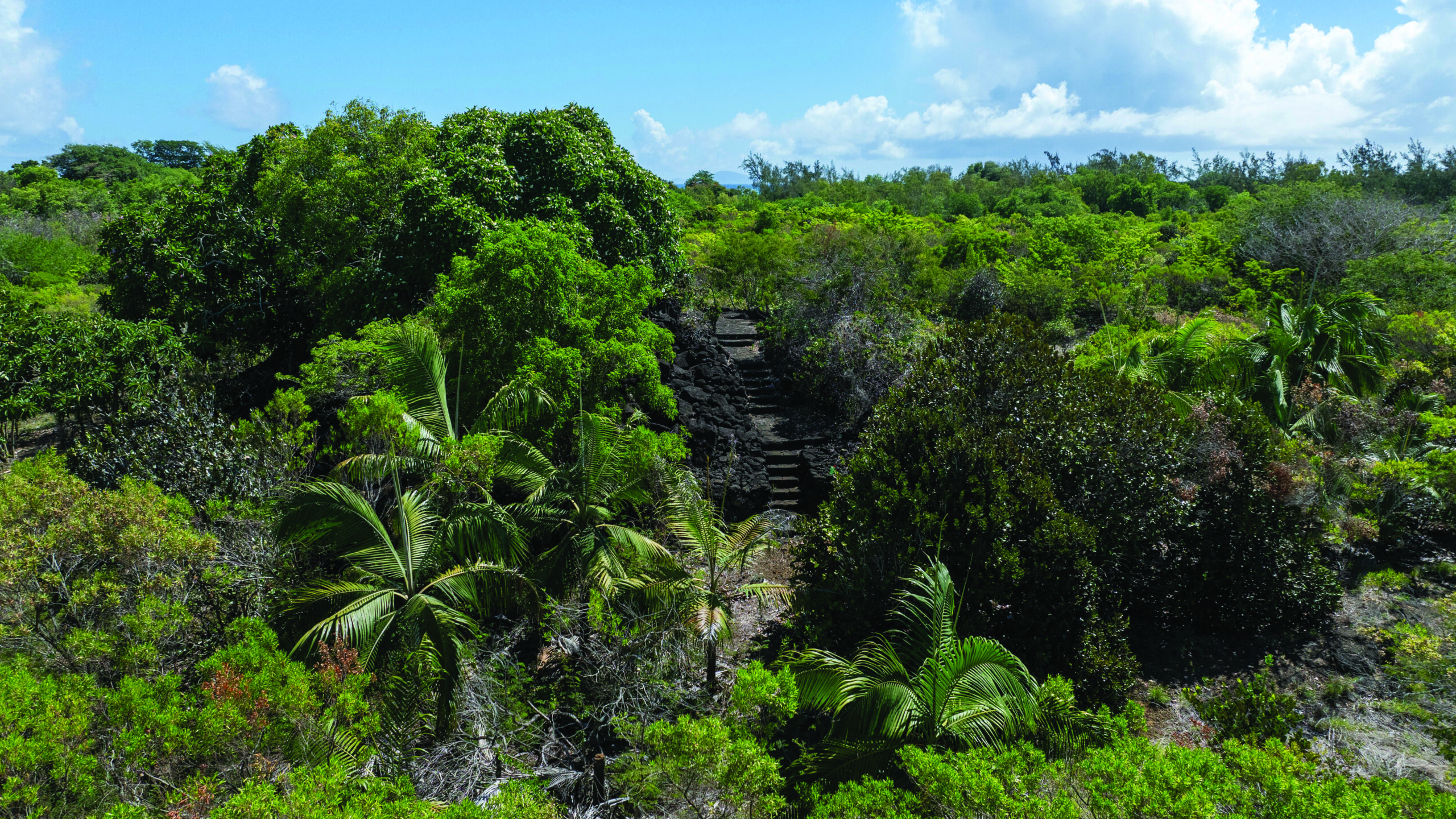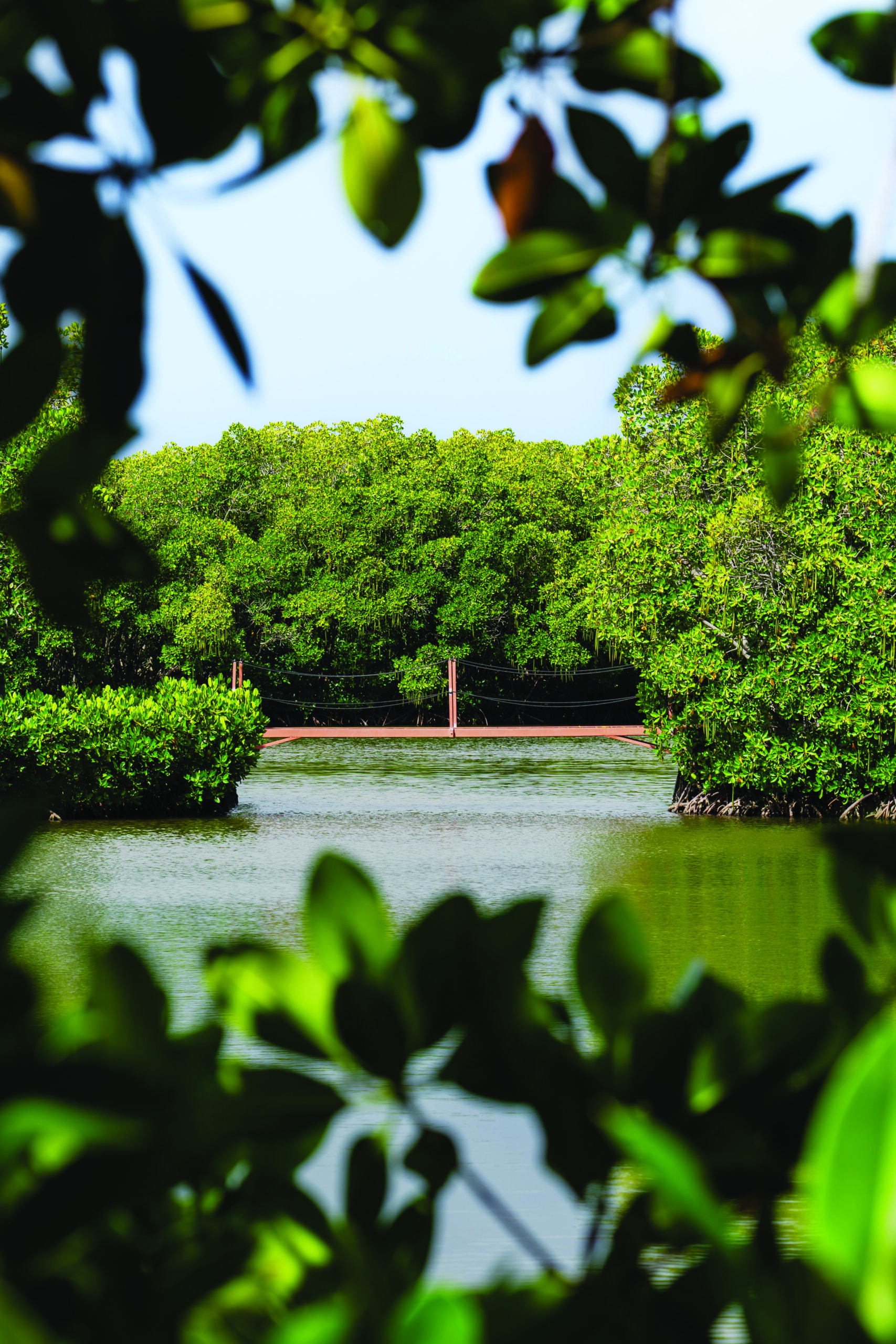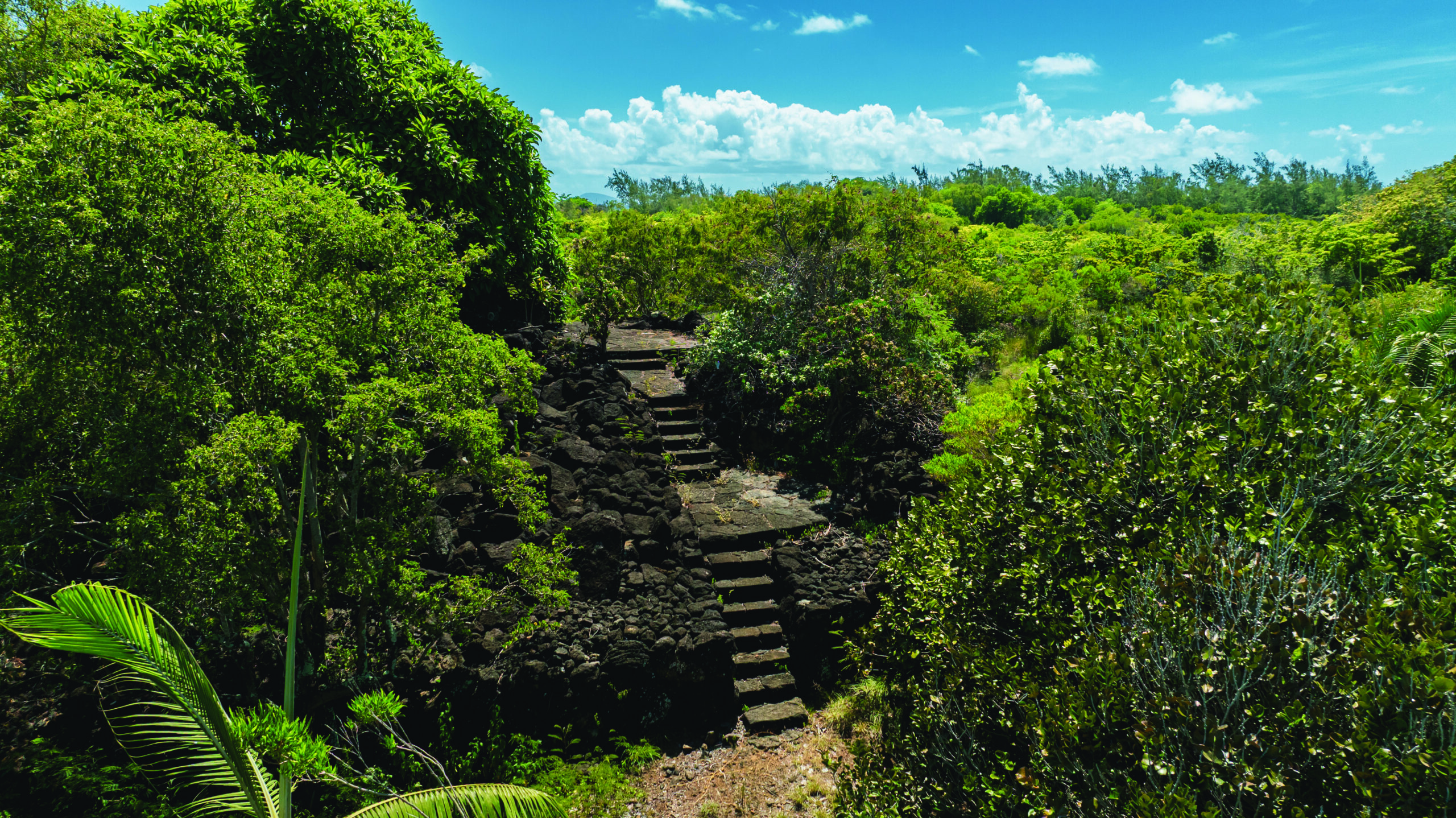

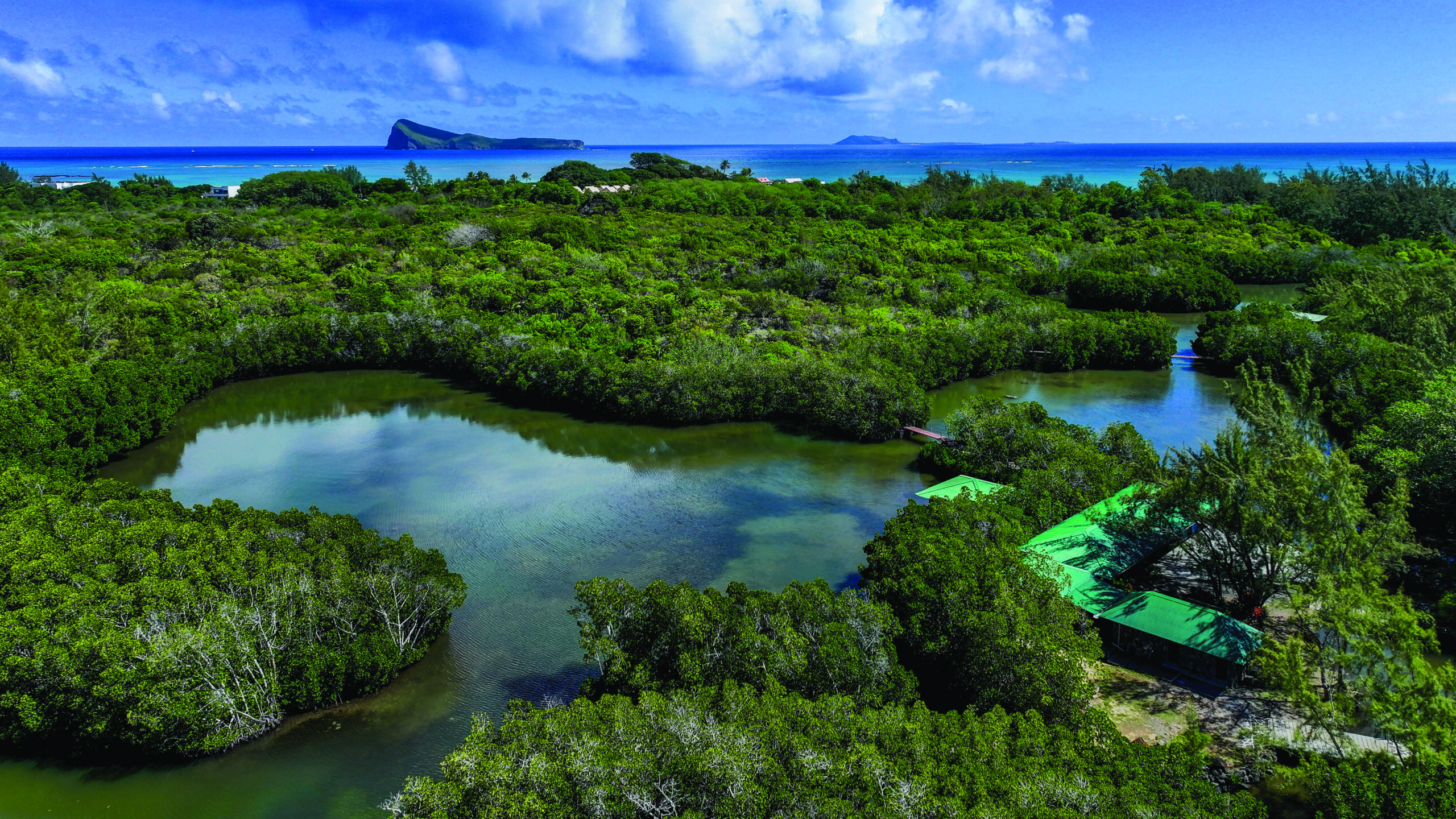

Once covered in sugarcane, the Palétuviers site has, under the leadership of Georges Wiehe, then General Manager of Maison Rouillard, been transformed since 1998 into a vast sanctuary home to endemic and native species. This initiative, which goes against the grain of our modern era, will soon give rise to a wonderful project: the Parc des Palétuviers, a space where forest, barachois, and mangroves converge, scheduled to open to the general public in 2030.
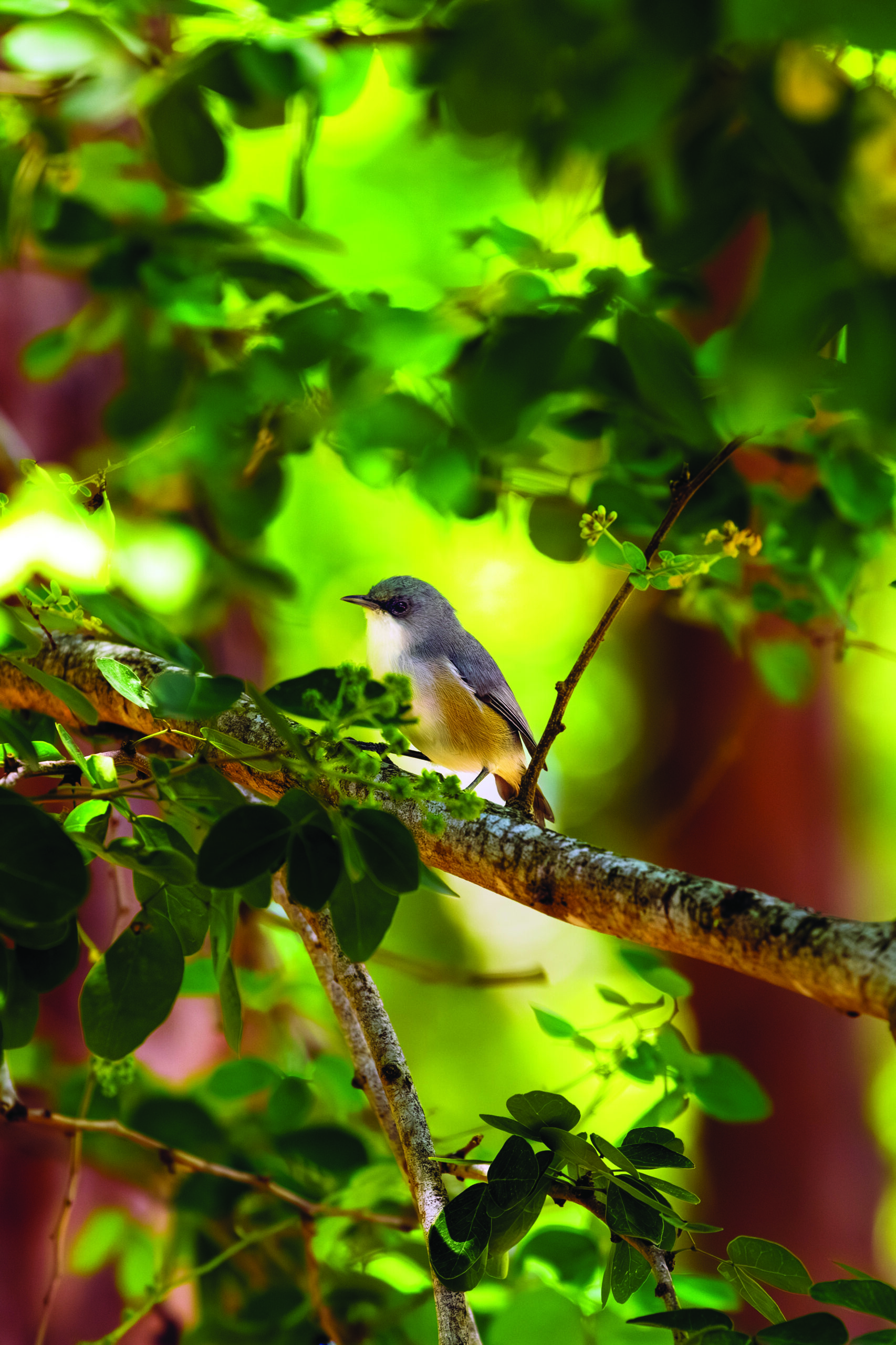
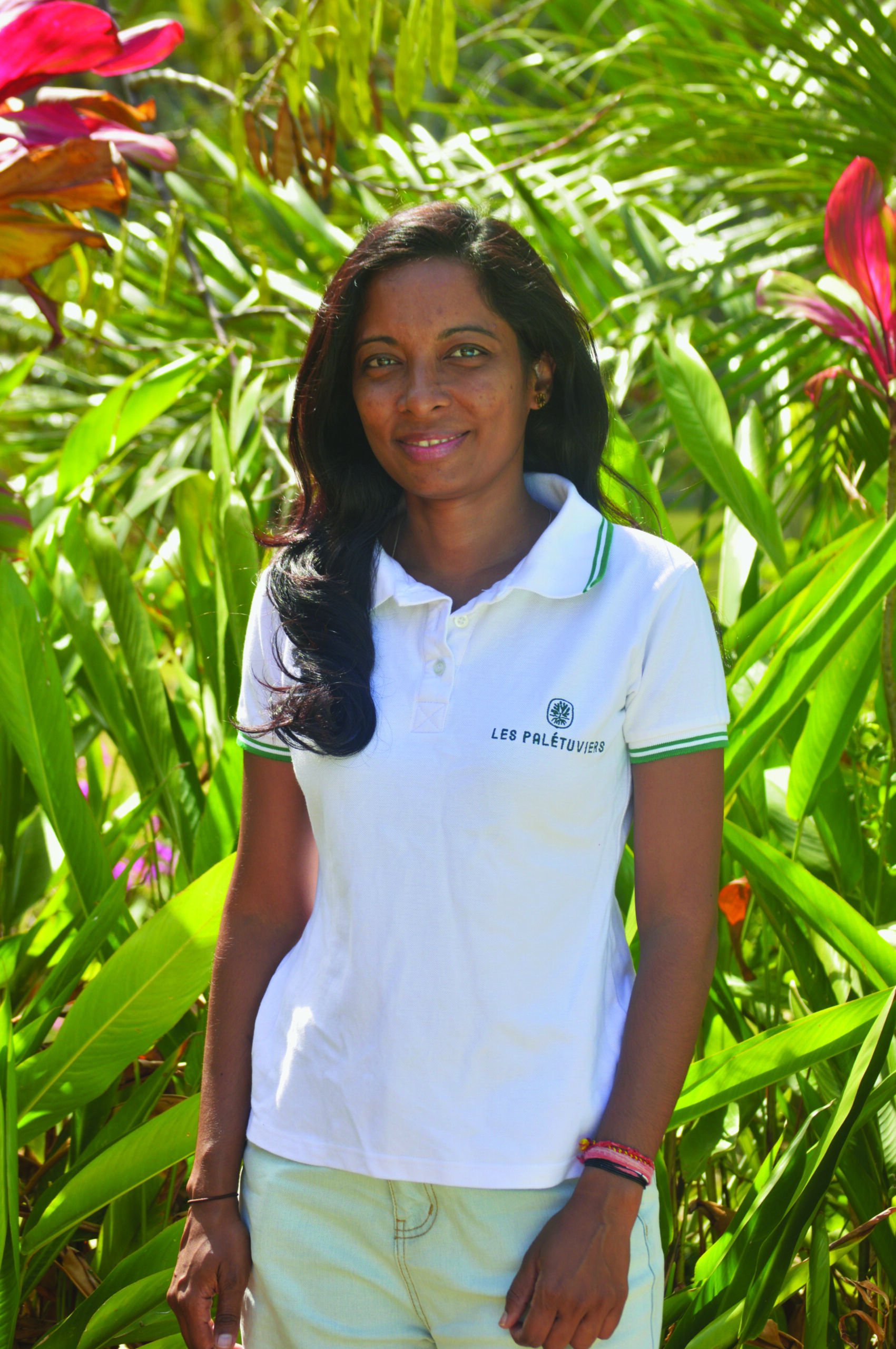
Nestled between land and sea, the Palétuviers site spans 110 hectares, 16 of which are protected, featuring a mix of endemic and native species. Amid secluded waterways and shaded trails, more than 80 species have been reintroduced there over the years, including the extremely rare white ebony that once covered the island. Maintained by a team of ten people, the site welcomed its new Conservation and Biodiversity Facilitator in 2025: Adisha Sewdyal, a veteran of conservation projects. She knows her subject inside and out! A true plant lover, she first pursued studies in agriculture before joining the Mauritian Wildlife Foundation, where her passion—spanning various fields—grew even stronger, and then Ebony Forest, where she honed her skills in forest restoration, nursery management, and the propagation of rare plants.
As soon as she arrived, she set about the daunting task of raising awareness about the ecosystems and natural heritage of Les Palétuviers. “The beauty of this place is that it’s driven by passionate people who have tried to recreate the forest that once existed here by selecting the species that thrive best in this type of coastal environment,” she says. What began with a handful of men scouring the island for seeds and seedlings, through encounters with collectors and experts, has grown into a forest rich in species diversity. And the tide has turned: “Today, it’s the mangrove forest that supplies the Endemika nursery with seedlings,” Adisha explains. A wonderful turnaround that has not only helped bring Endemika to life but also made these precious plant species accessible to the general public.
With Adisha’s arrival, the future Mangrove Park is also taking shape—a vibrant space open to visitors, where people can enjoy this natural treasure and gain a better understanding of conservation issues. Work is already well underway, with the specialist having led dozens of educational tours across the site since 2025. “We welcome many Mauritian schools, as well as private groups,” she explains. At the same time, Adisha also organizes Les Voix de la Nature, a monthly event open to everyone that brings together scientists, activists, and interested members of the public to foster dialogue on various environmental challenges. In addition to the park’s opening in 2030—which will feature signage specifically designed to raise awareness of the importance of this heritage—conservation efforts continue under the expert’s leadership. “We will continue to diversify the plant species in the park and also plan to introduce certain endemic animal species,” she says. An island a life in the midst of a renaissance!
FB: Les Palétuviers
Instagram: @lespaletuviers
Email: info@lespaletuviers.mu