



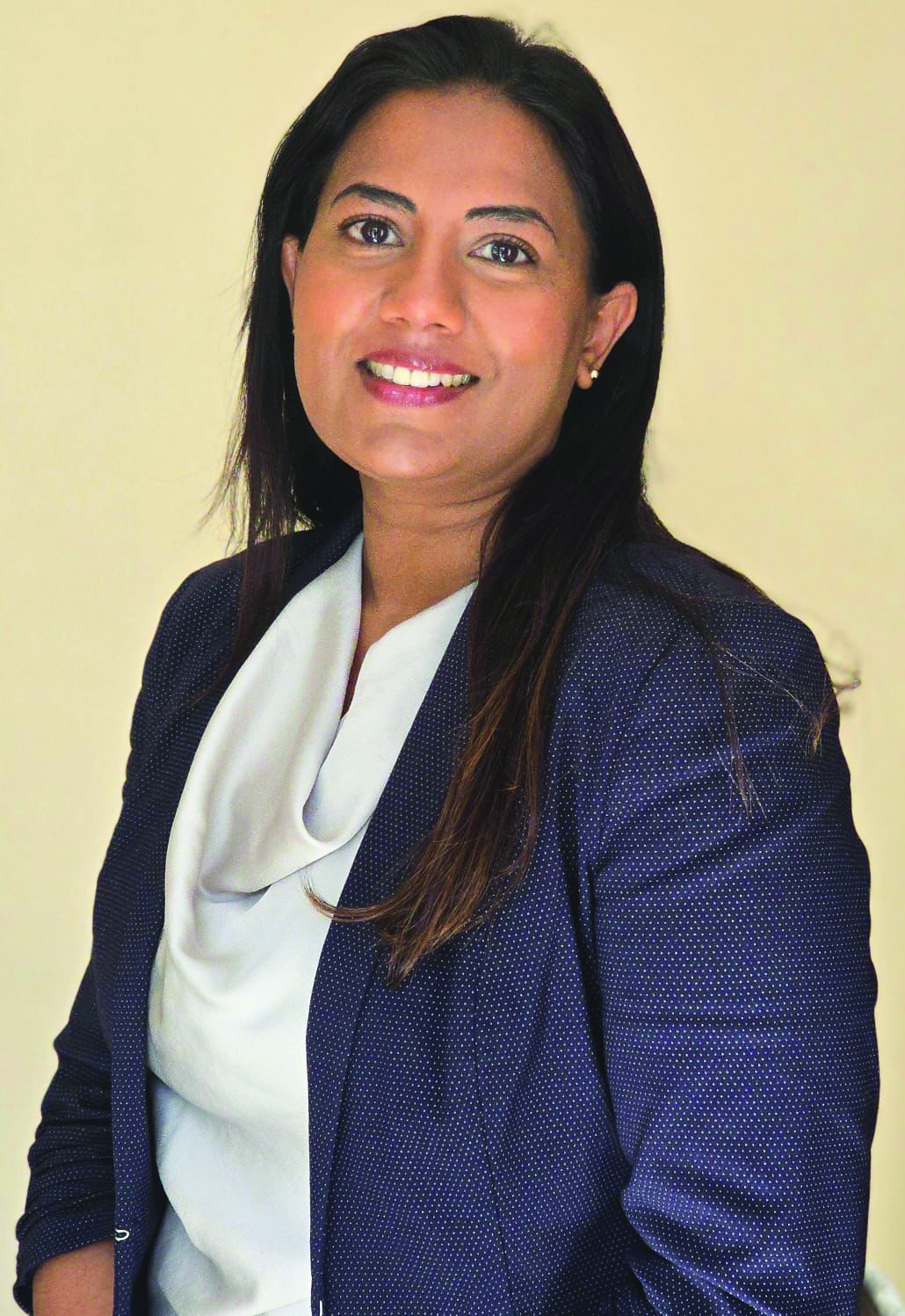

More than 42% of the world’s population lives with a neurological condition, the leading cause of disability worldwide. Yet we rarely think about brain health, except when our memory starts to fail. On World Brain Day, Dr. Priyanka Beedasy, a neurologist, reminds us that prevention begins much earlier.
This year, World Brain Day is placing brain health front and center, under the theme “Brain Health: Access for All.” For Dr. Beedasy, this access depends on rapid recognition of symptoms, early intervention, education, and prevention. In her daily practice, she regularly informs patients of a diagnosis of dementia, Parkinson’s disease, stroke, or another neurological condition. “Behind every diagnosis is a person whose life is likely to change profoundly,” she emphasizes. One question often comes up: “Is it hereditary?”
These concerns reflect a widespread belief: that neurological diseases are an inevitable part of aging, against which nothing can be done. “However, while some cannot currently be prevented or cured, that does not mean we are powerless,” the neurologist clarifies. Stroke is the most telling example: up to 90% of cases could be prevented through effective management of vascular risk factors, starting with high blood pressure. Controlling diabetes and cholesterol, avoiding tobacco, and exercising regularly also help protect the blood vessels that supply the brain.
Prevention shouldn’t wait until the first memory lapses appear. “It should begin decades earlier,” says Dr. Beedasy. One’s 40s and 50s are pivotal periods, when health often takes a back seat to one’s career, children, or aging parents. Yet physical activity in middle age is estimated to reduce the risk of dementia by 30 to 45 percent by improving blood circulation, reducing inflammation, and promoting neural connections. Sleep, for its part, acts as a form of brain maintenance: when chronically deprived, it affects mood, attention, and memory, while deep sleep helps eliminate metabolic waste from the brain.
Diet has a direct impact on the gut microbiota and, through the gut-brain axis, is thought to influence inflammation, metabolism, and mood. A varied, fiber-rich diet, combined with adequate hydration, supports the vascular and metabolic health on which the brain depends. Regular monitoring of high blood pressure, diabetes, and cholesterol also remains essential, as these conditions often present no symptoms. From a genetic perspective, certain conditions have a strong hereditary component, but most result from an interaction between genes, aging, and lifestyle. “Instead of fearing our genes, we should view our family history as a reason to become better informed about our health,” emphasizes Dr. Beedasy.
But the brain doesn’t thrive on good physical habits alone! “Conversations, friendship, family, shared experiences, and a sense of belonging provide constant mental and emotional stimulation,” she says. Loneliness, particularly among older adults, is now recognized as a major challenge for cognitive health. In the absence of curative treatments for many neurological diseases, prevention remains one of our most powerful tools, and access to it should be a right for everyone. “Don’t wait for your brain to send you a warning signal before taking care of it,” concludes Dr. Beedasy.