


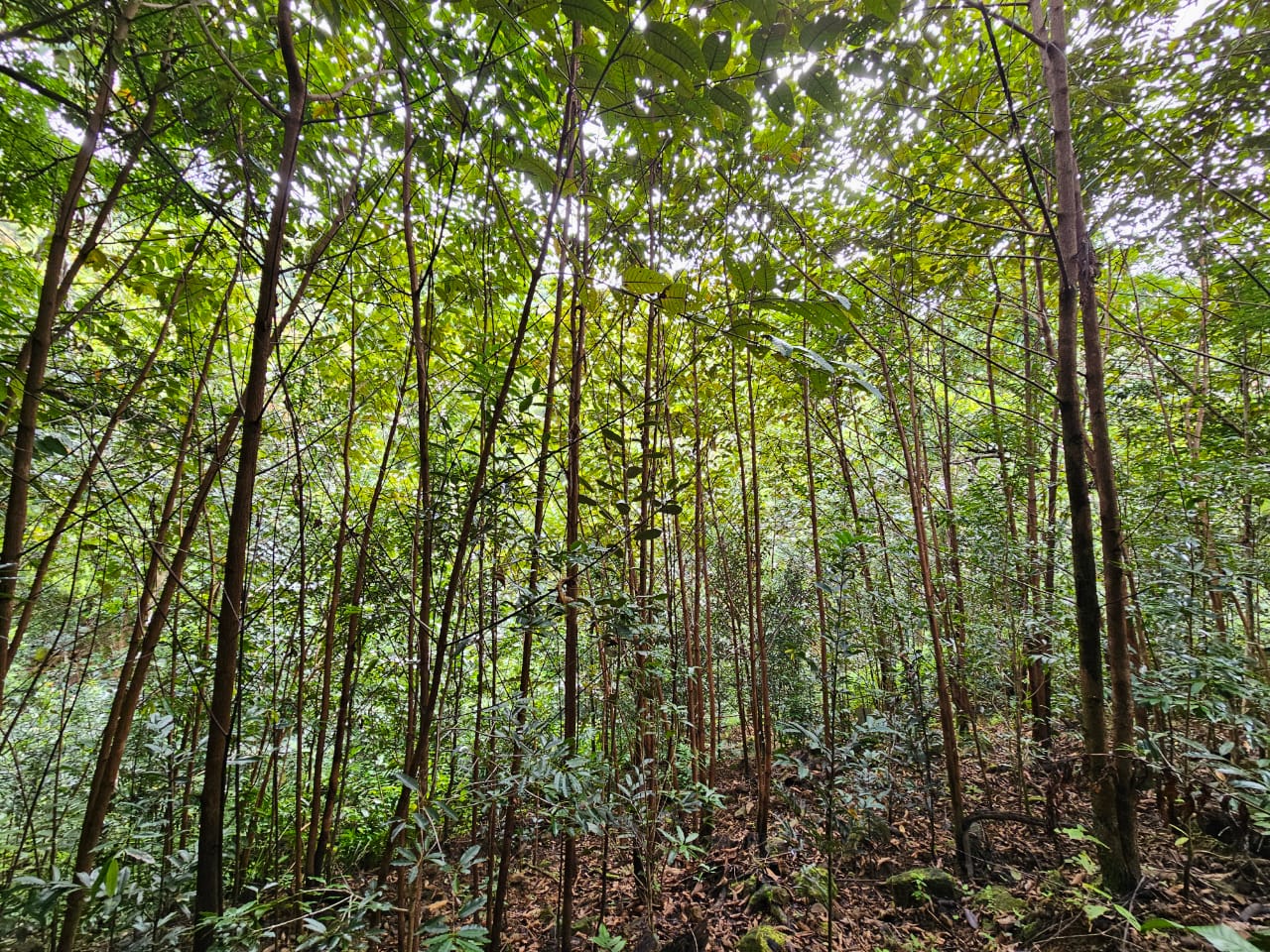
Pioneer trees play a key role in ecological restoration. But their virtues need to be recognized by all those involved in restoring the country’s natural habitats. After years of research, biologist François Baguette has completed an edifying doctorate on the most widespread pioneer tree in our rainforests: Harungana madagascariensis or the famous harongue… Dominique Bellier
Over 80 million hectares of tropical forest have been destroyed in the last 20 years. On a global scale, we’re a long way from the goal of restoring 350 millionhectares by 2030, even if it has triggered a frenzy of initiatives, often more lucrative than effective, described under the catch-all term of “forest restoration”. Oceanic islands are among the hardest hit, such as Mauritius, which has lost 95% of its original vegetation cover since it was first colonized. Despite the efforts of conservation services, our native forests and biodiversity are still declining. It is therefore imperative to adopt restoration methods of proven effectiveness. The use of pioneer species to drive “natural succession” is one such method…
Harongue wood has an underestimated potential in Mauritius, not only for ecological restoration, but also for its medicinal, cosmetic and handicraft virtues. With the exception of the Mauritian public domain, where we have learned to preserve it, here we tend to cut it down… And yet, like an emergency doctor in a theater of war, this species thrives in forests that have been stripped bare, particularly following the control of invasive exotic species such as the Chinese guava. Needing sunlight to grow, and perfectly suited to poor, degraded soils, it rapidly “heals” the forest.
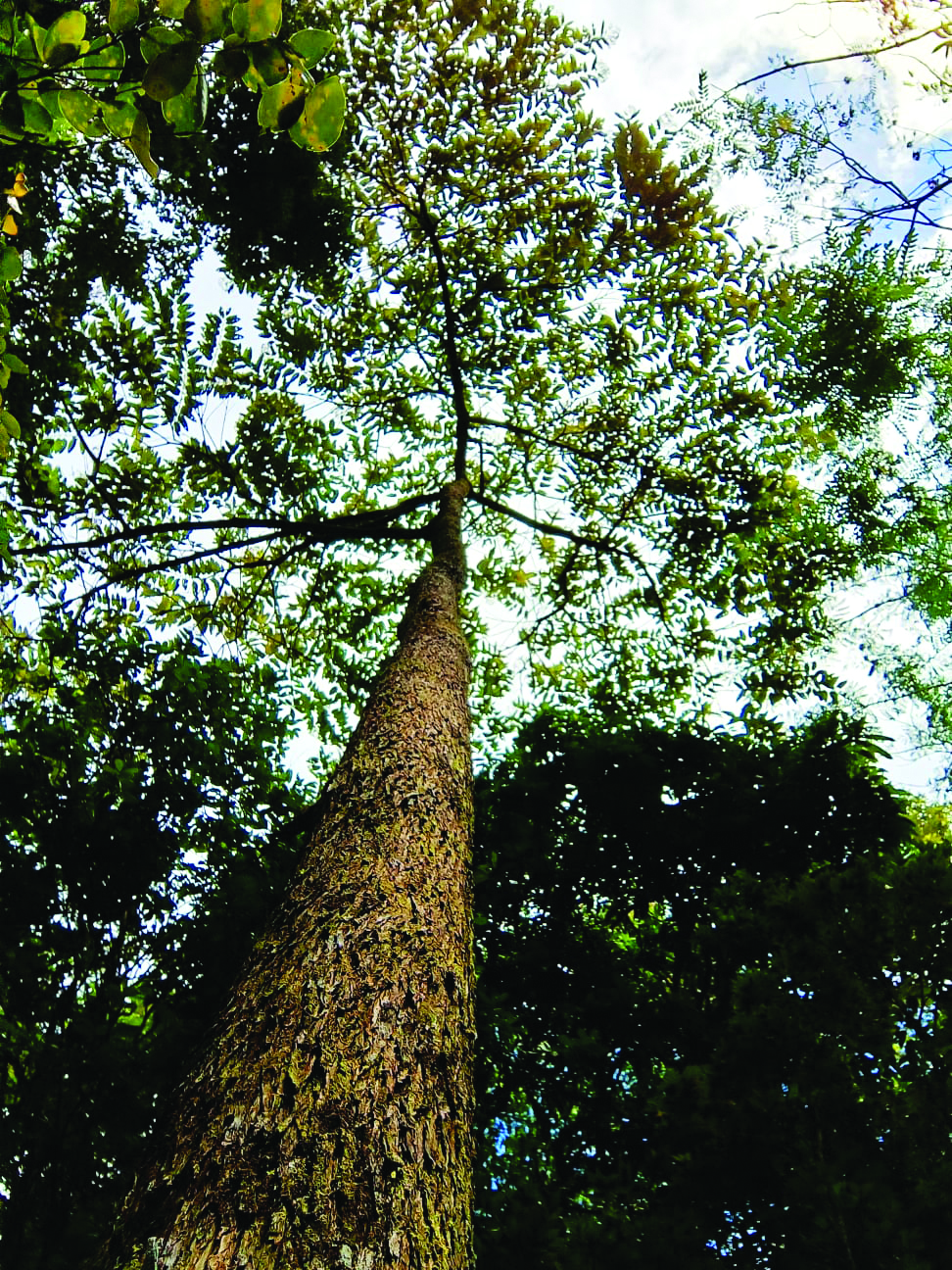
Mature Harungana © FBV Florens 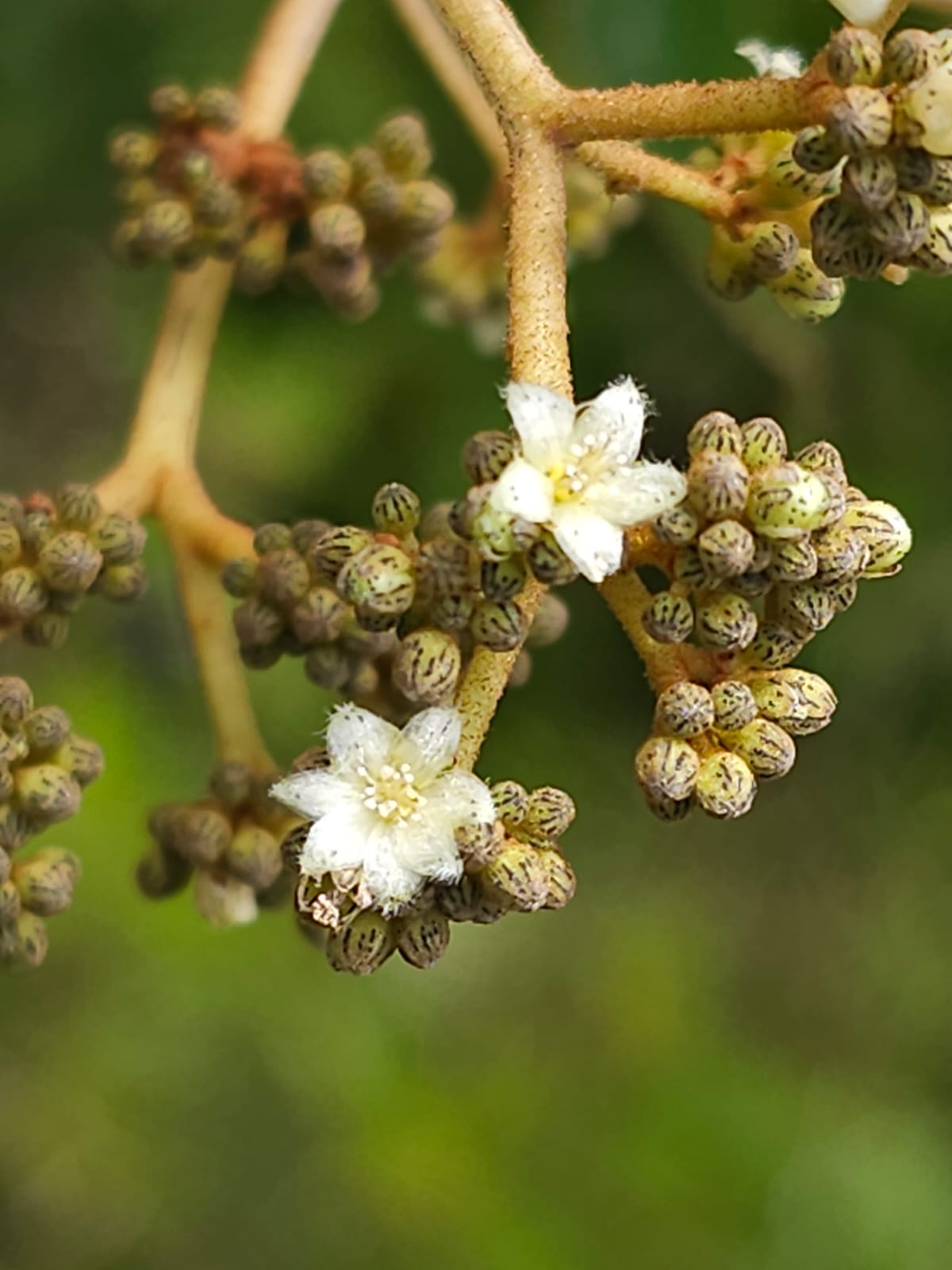 Harungana GP flowers © FBV Florens
 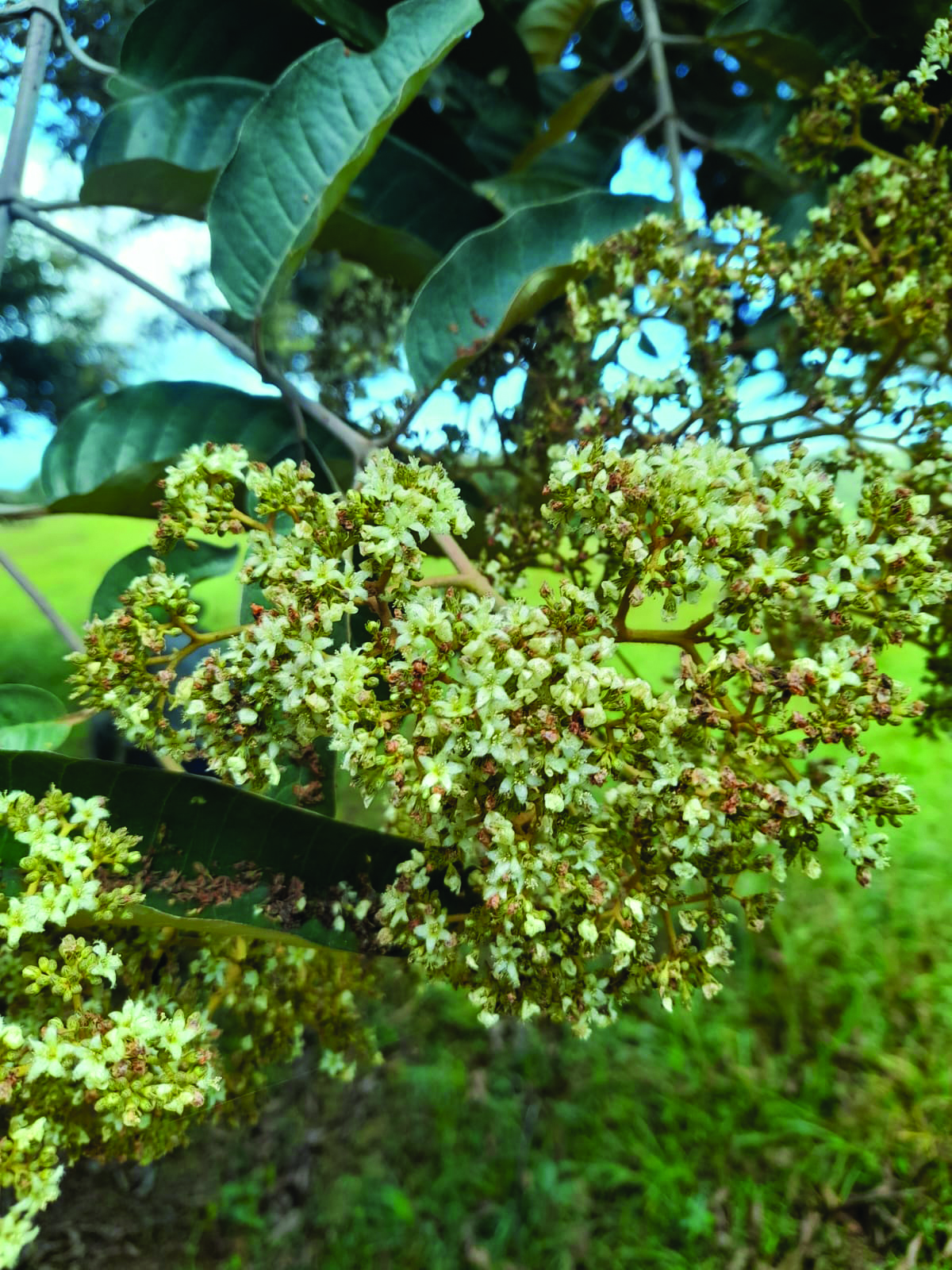 Clusters of flowers © François Baguette
 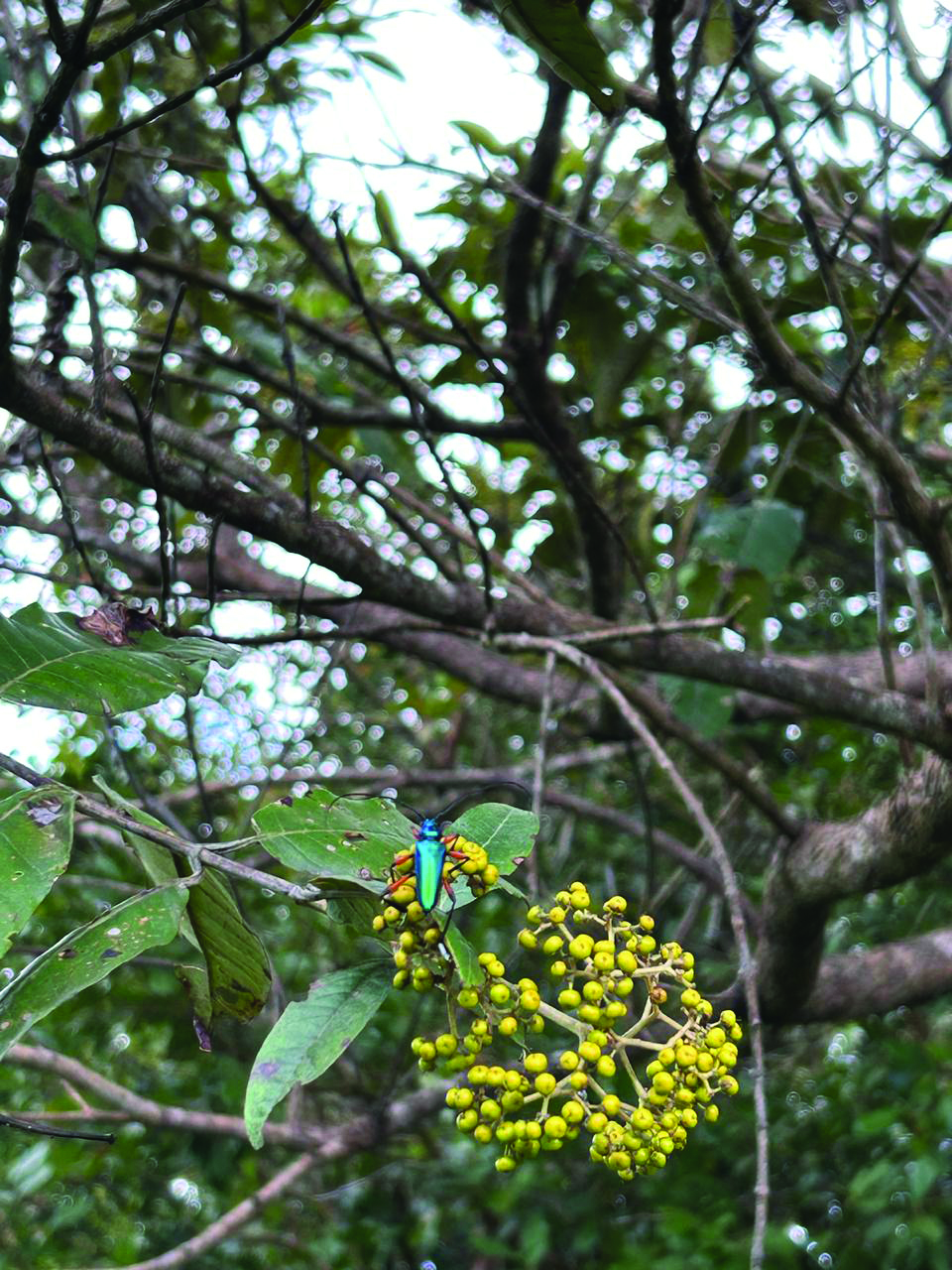 Harungana fruit & insect © Yogishah Bunsy
 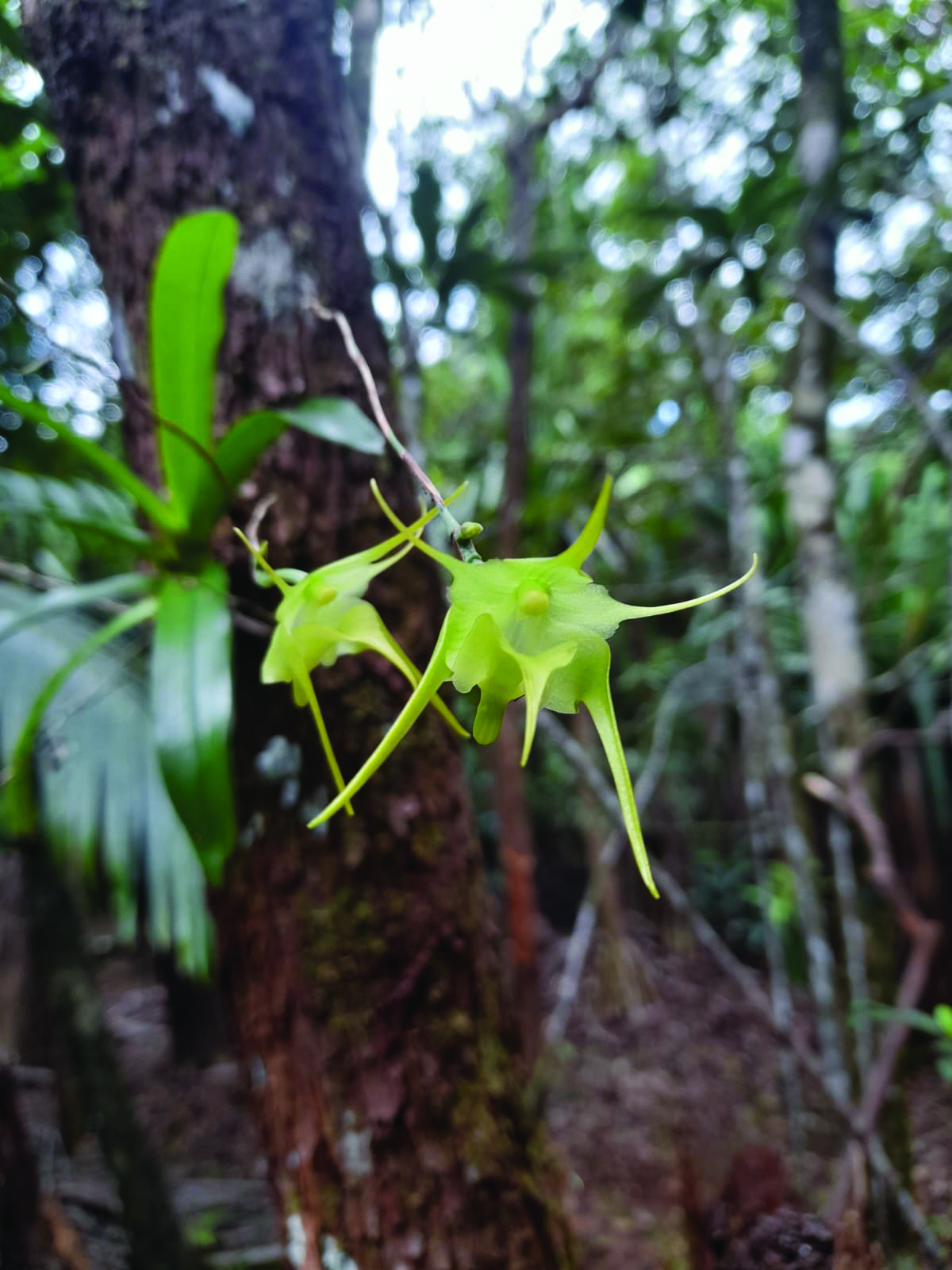 Orchid in bloom © François Baguette

